








How Gauteng parents can help shape a kinder, more supportive digital classroom
How Gauteng parents can help shape a kinder, more supportive digital classroom
How Gauteng parents can help shape a kinder, more supportive digital classroom
 Gary Oberholzer
How Gauteng parents can help shape a kinder, more supportive digital classroom
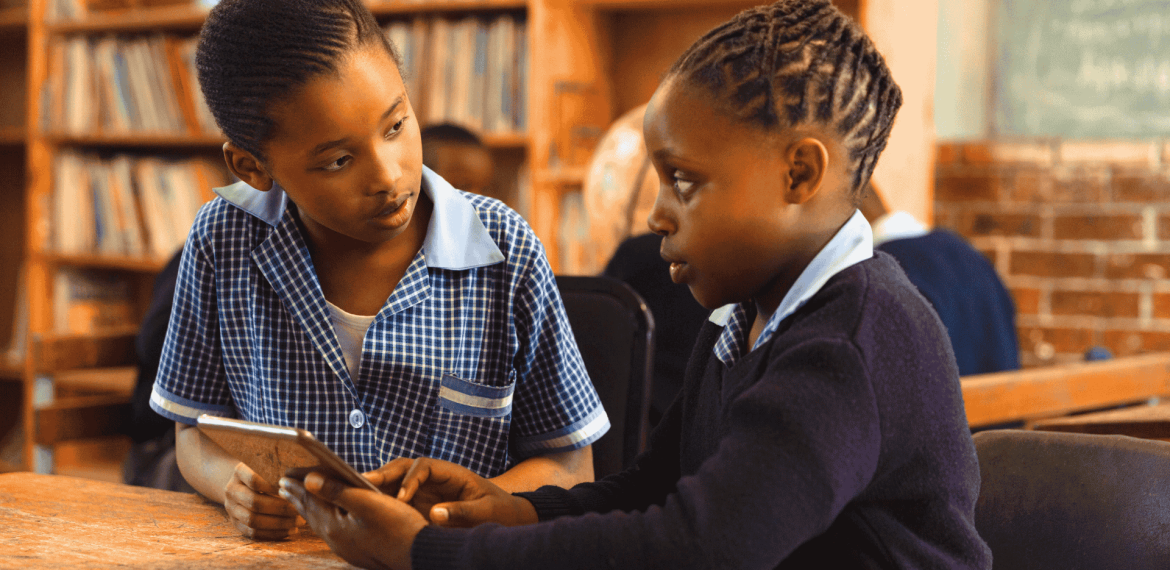
If you’re a parent in Gauteng, chances are you’re already heavily invested in your child’s schooling — from navigating homework apps to managing class groups and staying connected to teachers. But a growing conversation in the education sector suggests that even the most involved parents may be overlooking a crucial part of the EdTech puzzle: technology isn’t improving learning outcomes on its own.
That’s the message from Injini Africa, shared on HOT Business with Jeremy Maggs, powered by Standard Bank. Their latest research illustrates how in 2026 the real challenge isn’t access to devices or Wi-Fi — it’s human readiness. In other words, teachers, parents, and communities need support, training, and the right cultural fit for technology to truly make a difference.
Speaking on the show, Zoe Meiring, Senior Marketing and Communications Associate at Injini Africa, explained that teachers remain the centre of learning — and technology must support them, not overwhelm them. With many Gauteng classrooms holding more than 40 learners, Zoe says digital tools need to ease pressure, not add to it.
And to hear Zoe explain why “access isn’t enough” — and why readiness matters for your child — listen to the key audio clip here.


Read more from HOT 102.7FM

 Ahmed Kajee

More Posts for Show: HOT Business with Jeremy Maggs