






The Braamfontein blast: Three pounds, one mistake, and a city changed forever
The Braamfontein blast: Three pounds, one mistake, and a city changed forever
The Braamfontein blast: Three pounds, one mistake, and a city changed forever
 Gary Oberholzer
The Braamfontein blast: Three pounds, one mistake, and a city changed forever
Just a decade after gold was discovered on the Witwatersrand, booming Johannesburg was rocked by a catastrophe so powerful it would echo across provinces — and into history.
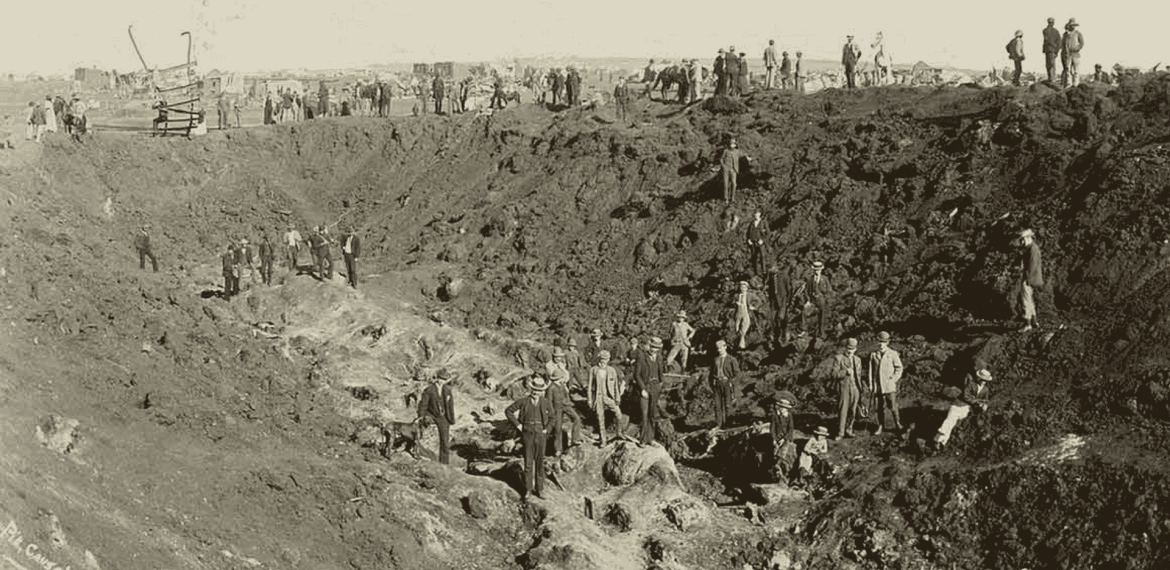
On 19 February 1896, a train carrying roughly 60 tons of dynamite destined for the mines detonated at the Braamfontein siding. The explosion was so immense that windows reportedly rattled in Pretoria and the blast was heard as far away as Klerksdorp, nearly 200km from the city.
But the tragedy was not instantaneous fate — it was a chain of human decisions.
Entire blocks within a kilometre were flattened. Debris rained down kilometres away. The nearby settlement of Vrededorp — home to many of Johannesburg’s poorest residents — was obliterated. In its place: a crater said to be almost the size of a sports field and several storeys deep.
The official death toll was recorded as 75, but historians believe the true number was likely far higher. In a rapidly growing mining town with incomplete records, not every life was counted.
Enter Now: Win with HOT 1027 and The Courier Guy
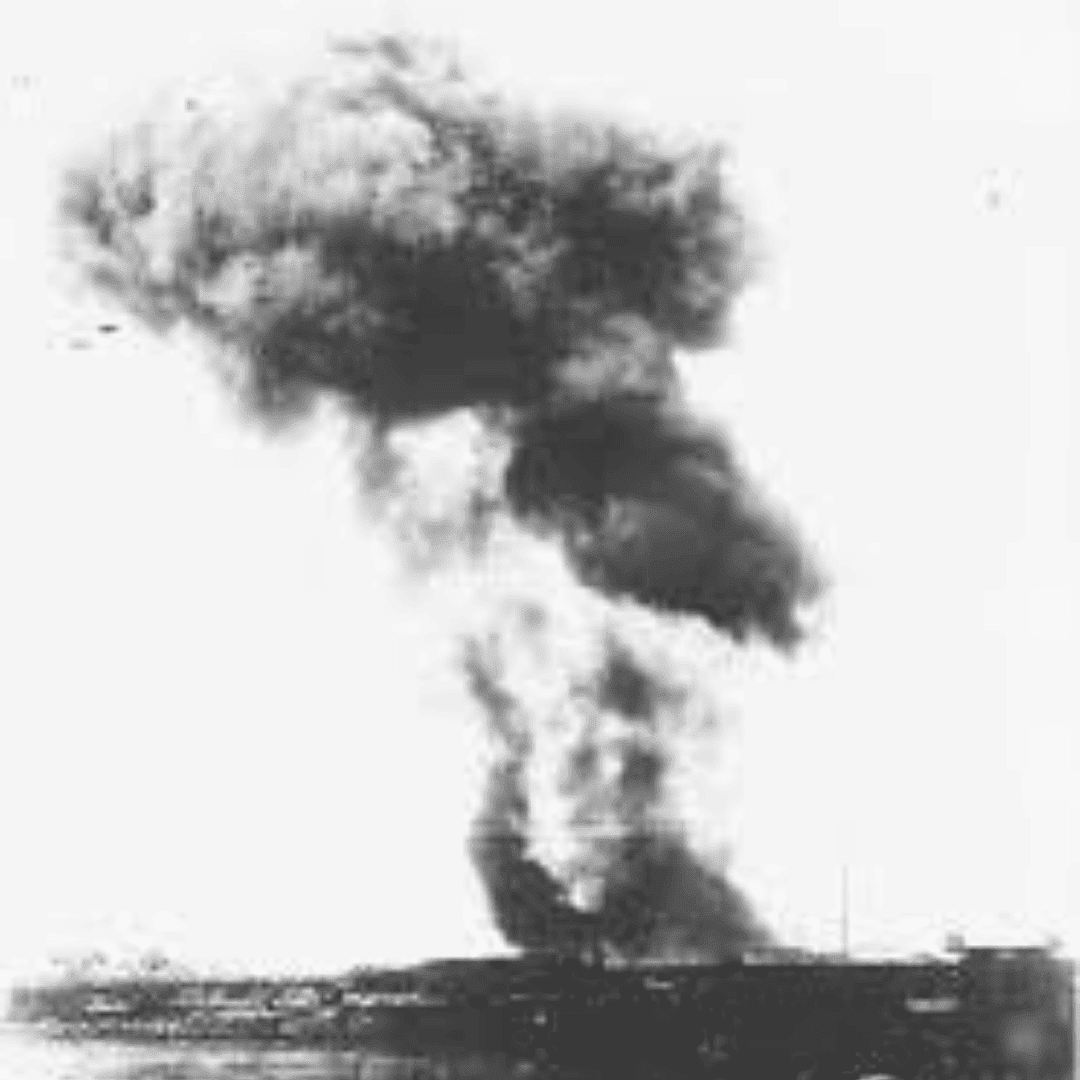
Photos: Heritage Portal
Listen to Al Prodgers’ report on HOT 1027 News:
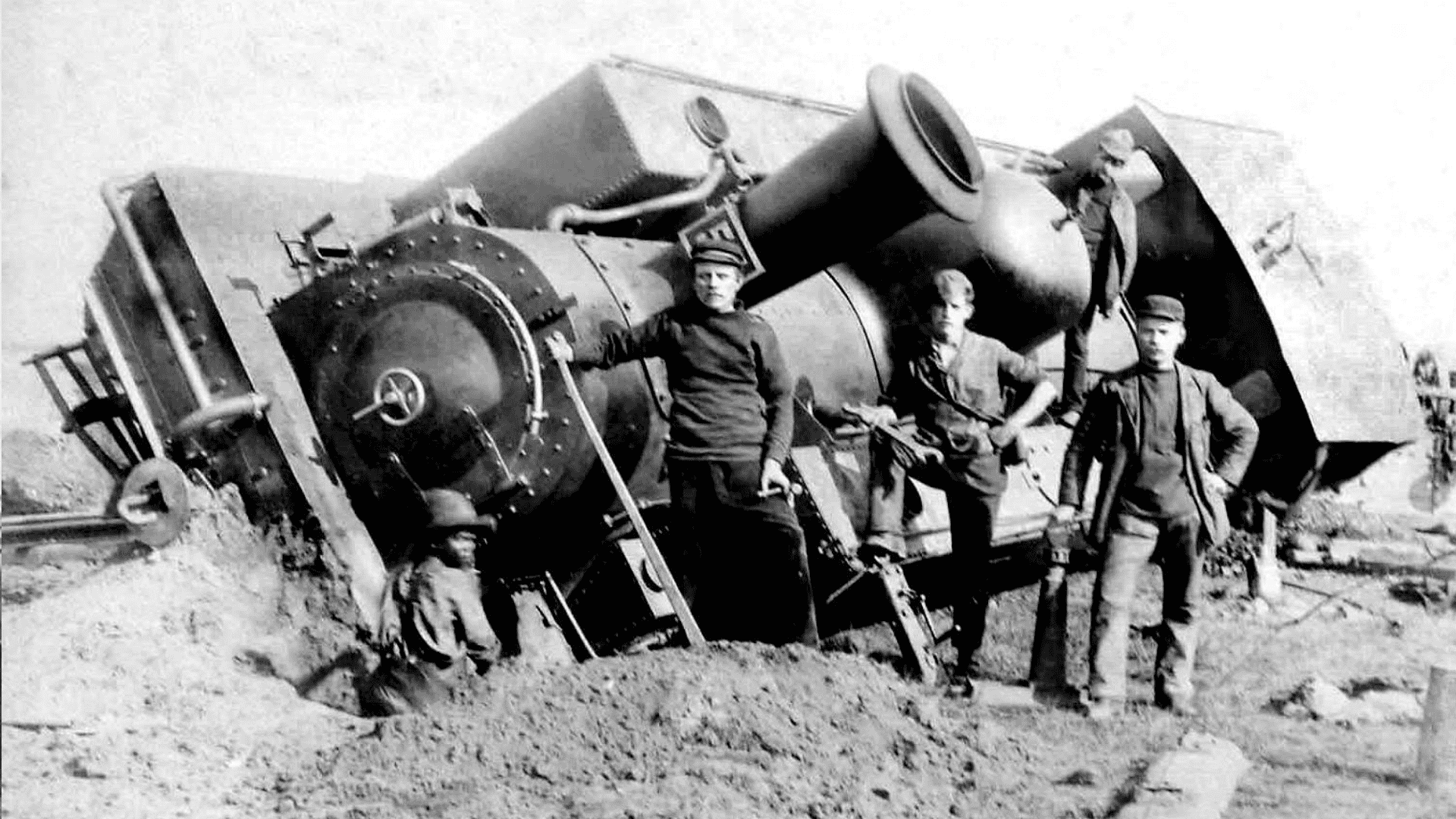
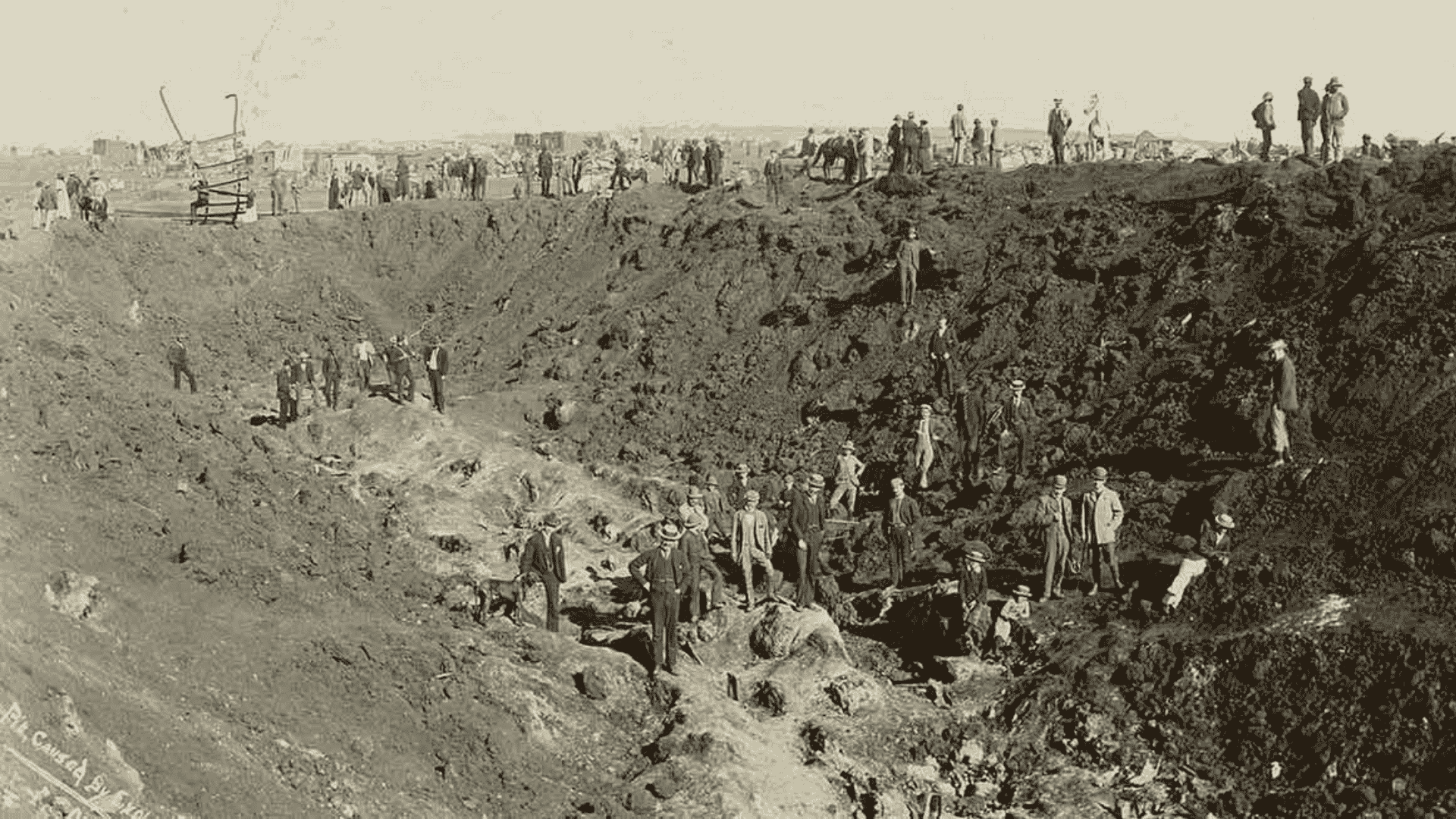
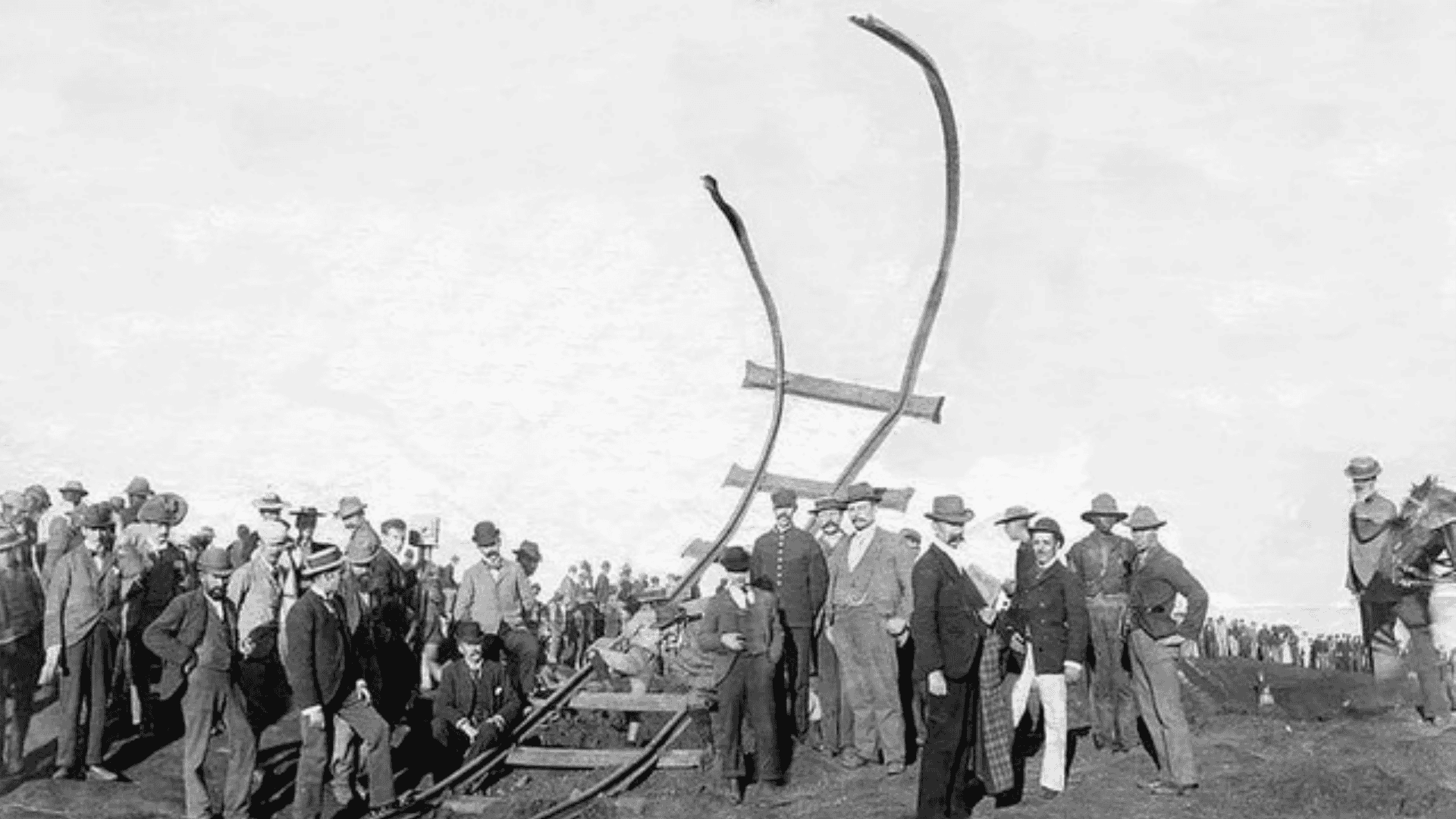
Today, a modest monument in Braamfontein Cemetery stands as a quiet reminder of the day an entire district disappeared — and of the risks that accompanied Johannesburg’s gold-fuelled rise.
References
South African History Online – The Braamfontein Dynamite Explosion (1896)
Johannesburg City Parks & Zoo – Braamfontein Cemetery Historical Notes
The Heritage Portal – Johannesburg’s Biggest Explosion Before Modern Times



 Christa Eybers