









From skyline dreams to urban reality: the story of Hillbrow
From skyline dreams to urban reality: the story of Hillbrow
From skyline dreams to urban reality: the story of Hillbrow
 Christa Eybers
From skyline dreams to urban reality: the story of Hillbrow
Once imagined as a quiet escape from the dust and chaos of a booming gold rush town, Hillbrow has lived many lives — each one reflecting the shifting identity of Johannesburg itself.
In the early days, strict planning rules shaped Hillbrow into a leafy, low-rise suburb perched above the city. But everything changed after World War II. Building restrictions were lifted, and the skyline began to rise — fast. Tower blocks replaced houses, and a new kind of urban energy took hold.
By the 1960s and 70s, Hillbrow had become something rare in apartheid South Africa: a “grey area” where racial segregation laws were widely ignored.
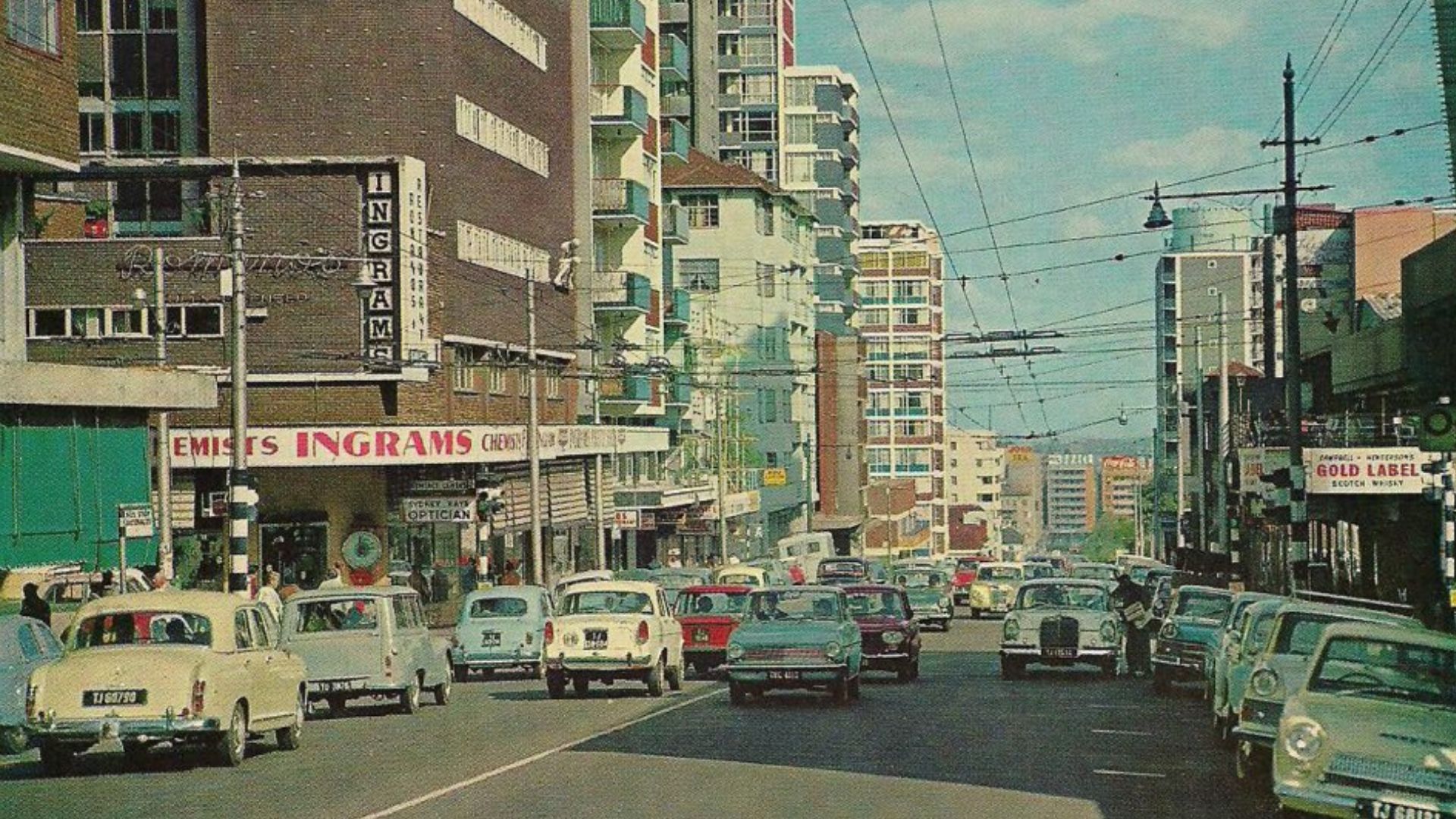
It drew artists, activists, immigrants, and young professionals — all chasing opportunity, freedom, and a vibrant nightlife that gave the suburb its unmistakable buzz.
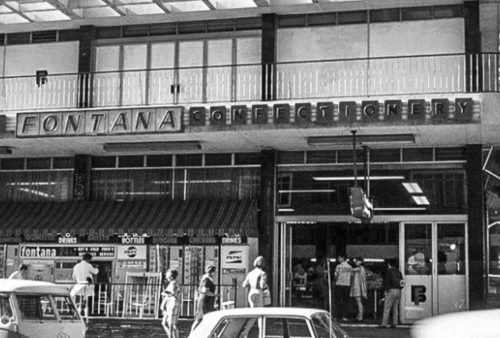
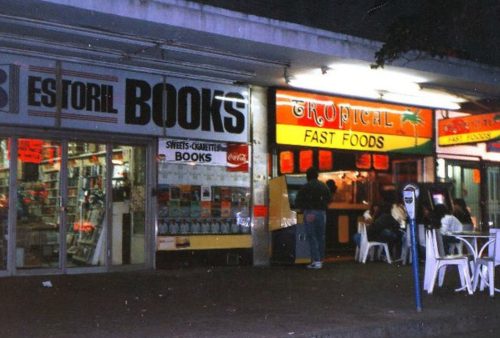
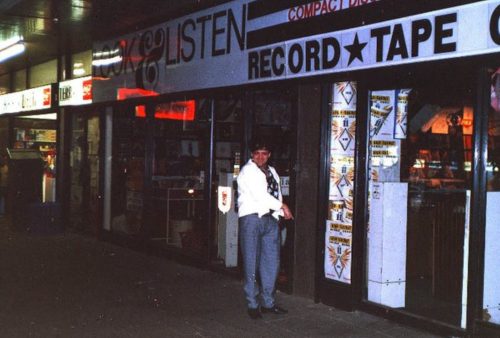
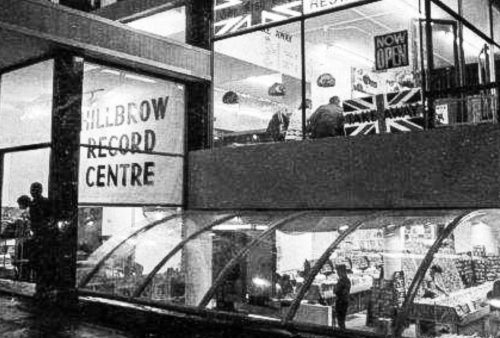
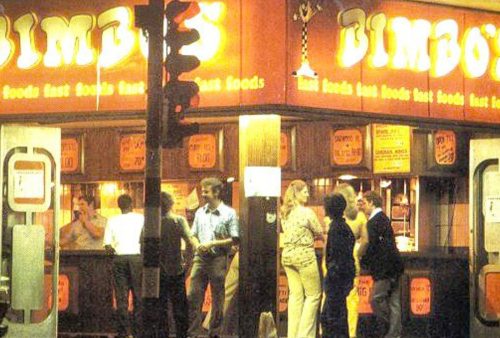
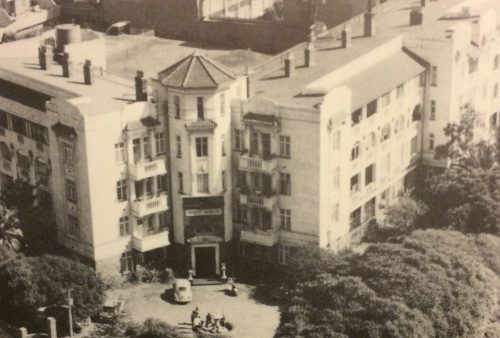

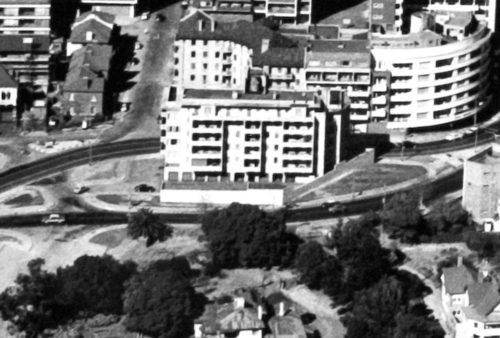
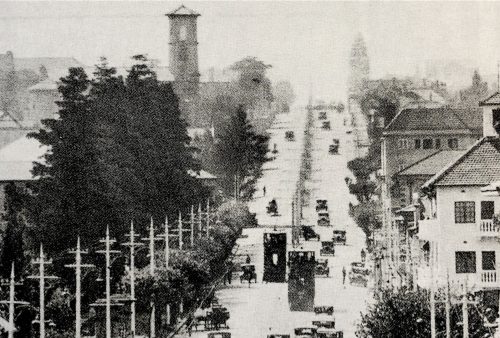
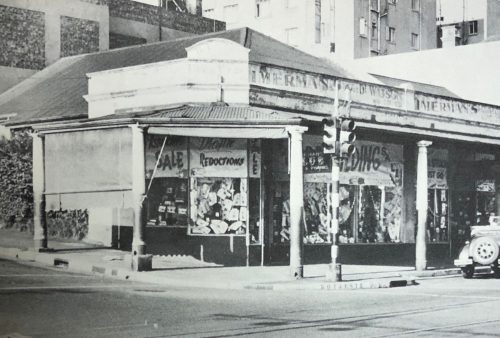
Photos: www.johannesburg1912.com
But as the decades rolled on, the story became more complicated.
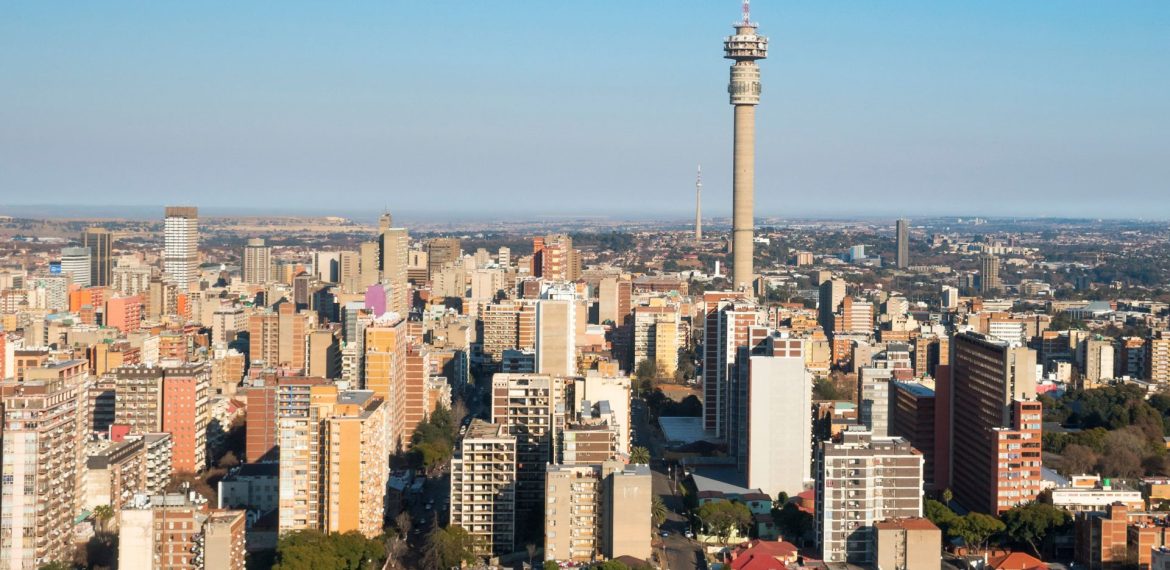
Urban decay, overcrowding, and strained infrastructure began to reshape the area. Today, Hillbrow remains a gateway for many African migrants trying to build a life in the city — a place of resilience, hustle, and survival. Landmarks like the iconic Hillbrow Tower still dominate the skyline, standing as reminders of both ambition and change.
There’s far more to this story — the untold moments, the voices, and the turning points that shaped Hillbrow over more than a century.
Listen to the full HOT 1027 News report below to hear how it all unfolded — from hopeful beginnings to the complex reality we see today.
Want to go deeper into the history, transformation, and complexity of Hillbrow?
Hillbrow’s story isn’t just about buildings — it’s about people, identity, and a city constantly reinventing itself.

 Gary Oberholzer


More Posts for Show: HOT 1027 Breakfast with Parky, Bunny & Simon