






From Super Trouper to Funkytown: reliving the unforgettable magic of 1980
From Super Trouper to Funkytown: reliving the unforgettable magic of 1980
From Super Trouper to Funkytown: reliving the unforgettable magic of 1980
 Gary Oberholzer
From Super Trouper to Funkytown: reliving the unforgettable magic of 1980
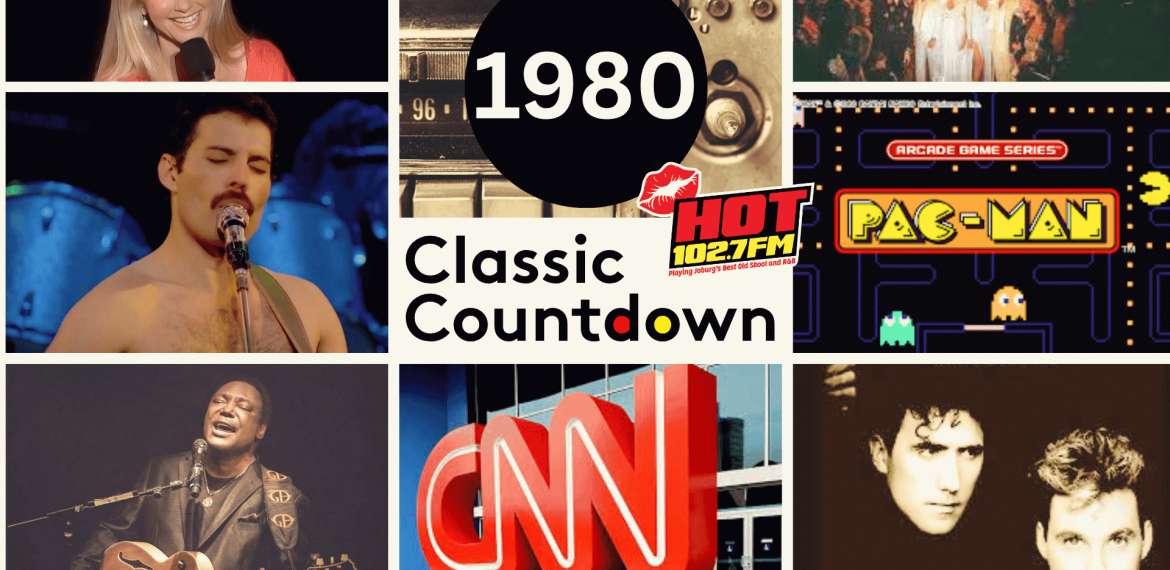
The world entered 1980 with a sense that everything was changing. The disco era was fading, synth-pop was arriving, and a new decade promised faster technology, bigger movies and bold new sounds. It was the year CNN launched the world’s first 24-hour news channel, Pac-Man began swallowing coins in arcades around the globe, and movie fans lined up for films like Fame, The Empire Strikes Back and The Blues Brothers. And on the radio? A brand-new sound was emerging — one that would define the decade ahead.
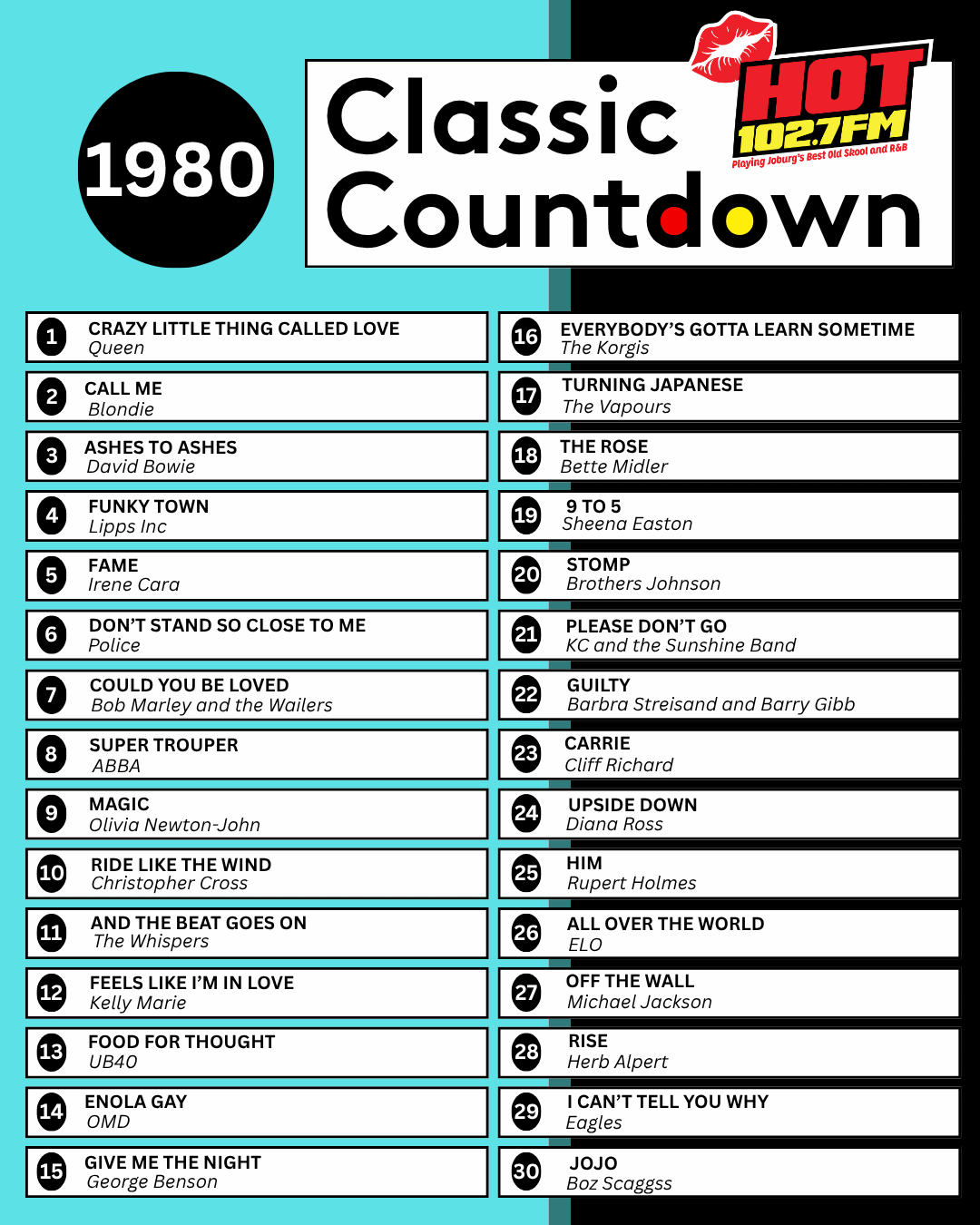
It’s the featured year on this week’s HOT Classic Countdown with Steve Bishop, taking place every Sunday from 12 to 3pm on HOT 102.7FM.
The music of 1980 perfectly captured that moment of transition. Established legends still dominated, but exciting new acts were reshaping the future of pop music. Queen delivered the rockabilly-inspired charm of Crazy Little Thing Called Love, while Blondie stormed charts worldwide with Call Me — a song forever tied to the film American Gigolo. Meanwhile, David Bowie released the haunting Ashes to Ashes, revisiting Major Tom more than a decade after Space Oddity first introduced the character.
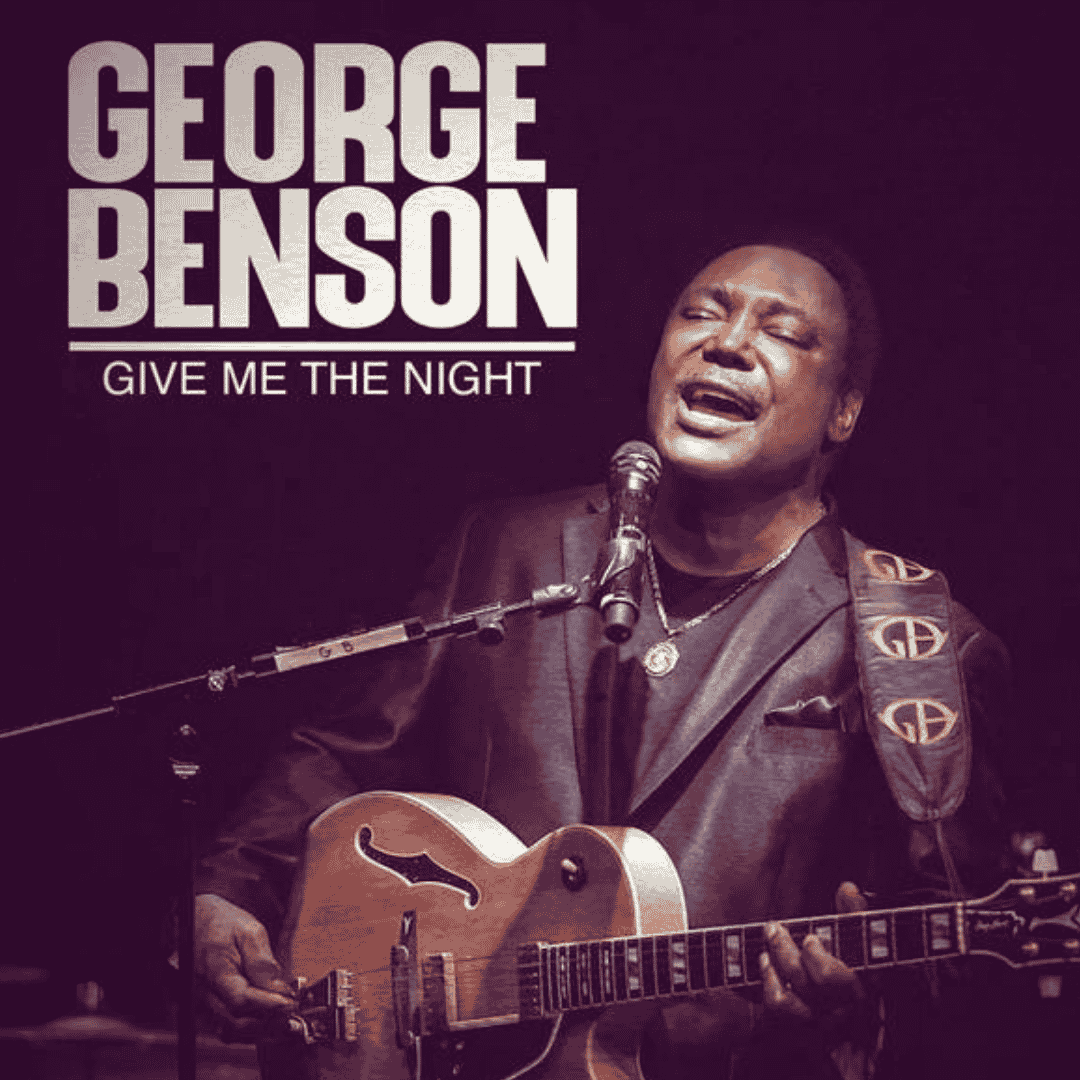
There was also a growing appetite for polished soul and dance music. Tracks like Give Me The Night by George Benson and And The Beat Goes On by The Whispers filled dancefloors around the world, while Funkytown by Lipps Inc. became one of the defining club anthems of the era.
Cinema and music became inseparable in 1980. Audiences walked out of theatres humming the songs they’d just heard on the big screen, while soundtracks started becoming as influential as the films themselves. Irene Cara’s Fame captured the dreams — and brutal realities — of young performers chasing stardom in New York, turning the title track into a global anthem of ambition.
Meanwhile, Olivia Newton-John floated audiences into the fantasy world of Xanadu with Magic, helping cement the growing obsession with movie musicals and neon-soaked escapism. Even Blondie’s Call Me became larger than life thanks to its connection to American Gigolo — proving that in 1980, a hit movie and a hit song could launch each other into pop culture history simultaneously.
South African music in 1980 reflected a country full of contrasts — politically tense, culturally divided, yet bursting with creativity. Artists were finding ways to tell uniquely South African stories while still creating songs that connected universally. Juluka’s Africa stood out not only for its sound, but because Johnny Clegg and Sipho Mchunu’s partnership challenged apartheid-era social norms at a time when interracial collaboration was still controversial.
At the same time, Joy’s Paradise Road became an emotional anthem of hope and unity, while Clout’s Portable Radio perfectly captured the growing influence of global pop culture on local youth.
Falling Mirror added an edgy art-rock flavour with If I Was James Dean, proving South African music was becoming more adventurous, stylish and internationally aware as the new decade began.
Did You Know?
ABBA recorded Super Trouper using one of the earliest large-scale moving spotlight systems in pop staging history. The song’s title actually refers to a type of massive spotlight used during live concerts — something many fans never realised while singing along for decades.
1980 also introduced listeners to a more thoughtful and socially conscious side of music. Songs like Food For Thought by UB40 and Enola Gay by Orchestral Manoeuvres in the Dark tackled political and historical themes while still becoming mainstream hits — proof that pop music could entertain and challenge audiences at the same time.
Whether you remember hearing these songs on vinyl, cassette, car radio or at a roller disco, 1980 remains one of music’s most fascinating turning points — where the sounds of the ’70s met the futuristic energy of the ’80s.
More Posts for Show: Classic Countdown with Steve Bishop