









Why a Springbok was buried with full military honours
Why a Springbok was buried with full military honours
 Gary Oberholzer
Why a Springbok was buried with full military honours
Every Bok Friday, South Africans rally behind the Springbok. But more than a century ago, another Springbok was inspiring courage on a very different field of battle.
Every Bok Friday, South Africans proudly wear green and gold in support of the Springboks.
The Springbok emblem first appeared on the South African rugby team’s historic tour of Britain in 1906, quickly becoming a symbol of national pride.
Less than a decade later, another Springbok would earn a place in South African history.
This one didn’t play rugby.
It marched alongside South African soldiers into one of the bloodiest battles of the First World War.
Her name was Nancy.
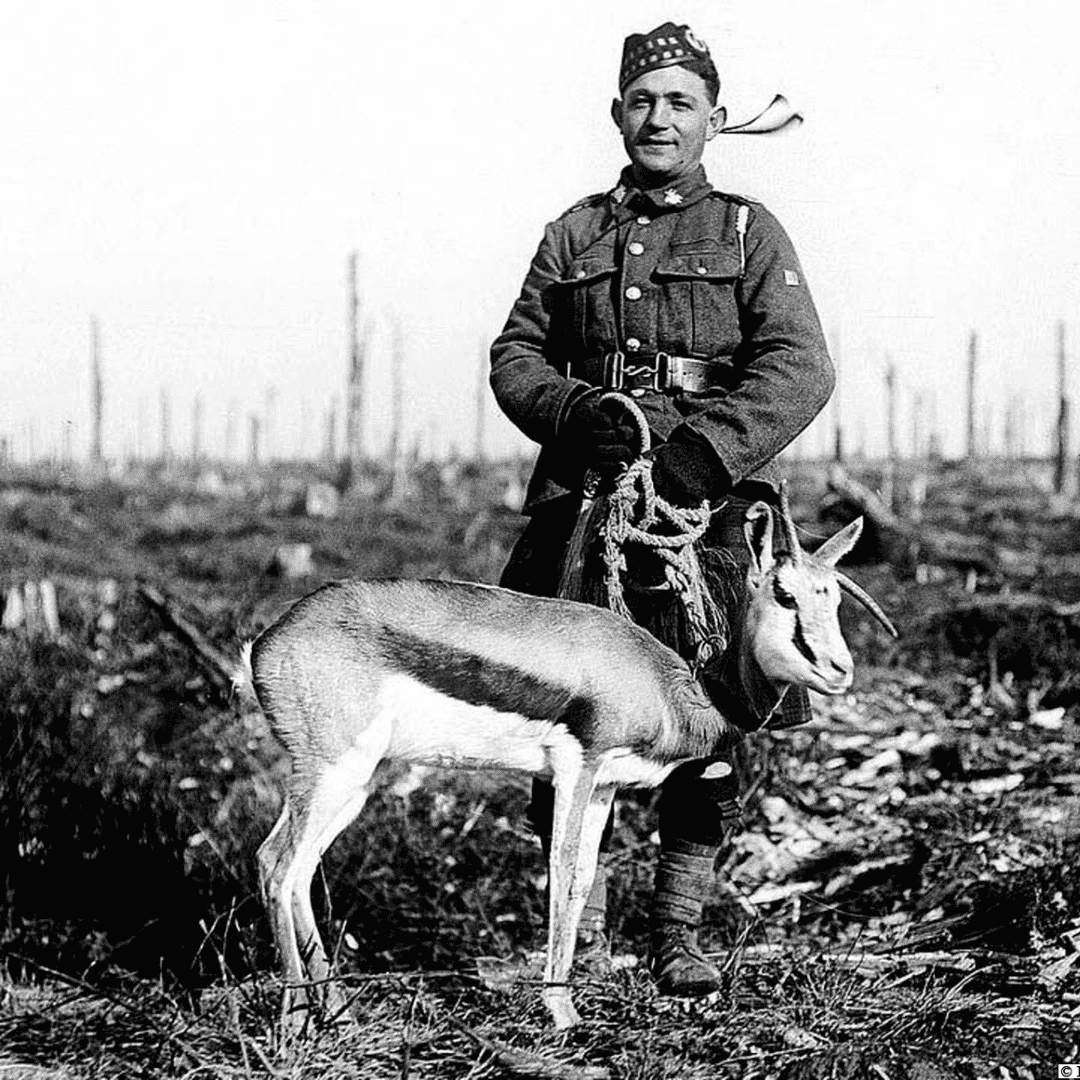
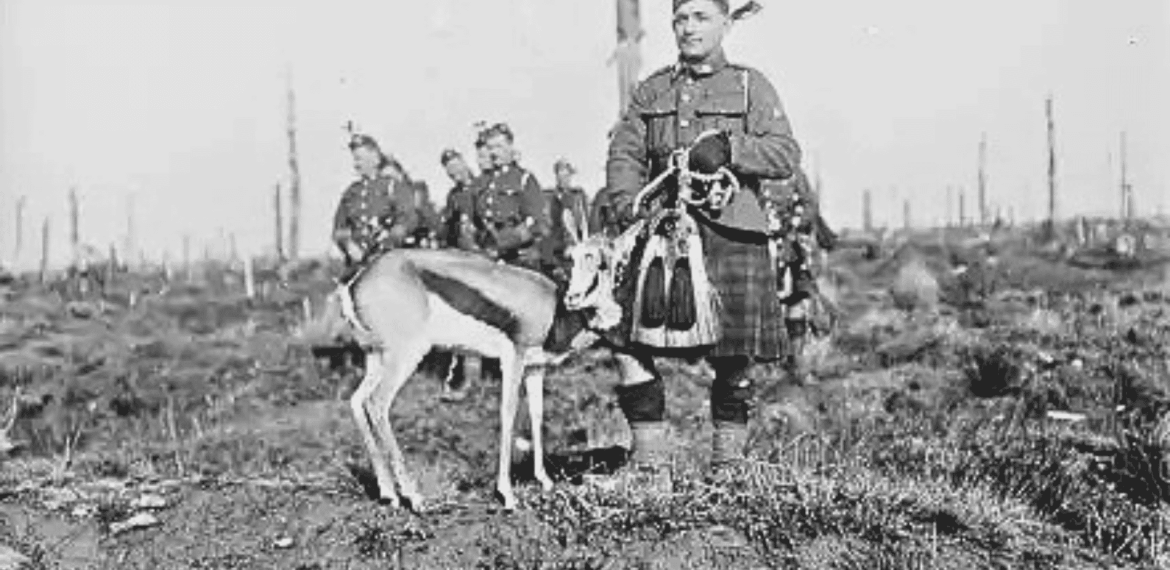
Gifted to the South African Scottish regiment by a Free State farmer in 1915, Nancy quickly became much more than a mascot. She travelled with the regiment from Egypt to the battlefields of France, providing a welcome reminder of home for young South African soldiers fighting thousands of kilometres away.
Her popularity spread well beyond the regiment. During an inspection of South African troops in Egypt in December 1915, Queen Mary specifically asked to meet Nancy, who by then had become something of a celebrity among Allied forces.
She became so attached to the regiment that, when she once wandered away from camp in Egypt, the soldiers simply sent out the pipers. Hearing the familiar sound of the bagpipes, Nancy calmly followed the music all the way back.
Listen to Al Prodger’s report for HOT 1027 News:
Nancy’s greatest test came during the Battle of Delville Wood in July 1916, one of the defining moments in South African military history. More than 3,000 South African soldiers entered the shattered forest with orders to hold their ground “at all costs”. For six relentless days they endured relentless shellfire, machine-gun fire and repeated German attacks. When the battle finally ended, fewer than 800 men were still fit for duty.
Against all odds, Nancy survived.
During heavy shelling the following year, she damaged one of her horns while fleeing exploding artillery. The horn healed at an angle, becoming her trademark. In recognition of her “battle wound”, Nancy was awarded a military wound stripe, proudly worn on the tartan coat specially made for her by the regiment’s tailor.
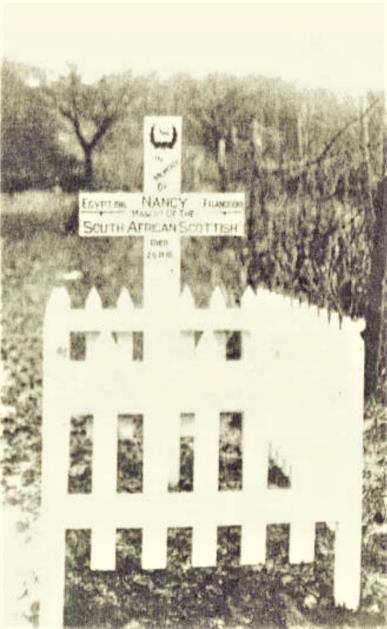
Sadly, Nancy died of pneumonia just weeks after the First World War ended in November 1918. She was buried in Belgium with full military honours — an extraordinary tribute that reflected the bond between the Springbok and the soldiers she had accompanied through war.
Today, more than a century later, visitors can still see Nancy at the Ditsong National Museum of Military History in Saxonwold. Her preserved hide, complete with the distinctive broken horn, remains one of the museum’s most unusual exhibits.
For generations of South Africans, the Springbok has come to represent determination, resilience and pride through rugby. Nancy’s remarkable story is a reminder that those same qualities were once embodied by a real Springbok that stood alongside South African soldiers during one of the darkest chapters in modern history.
References
-
Delville Wood Museum – Nancy the Springbok: https://www.delvillewood.com/nancy.htm
-
Ditsong National Museum of Military History: https://ditsong.org.za/
-
South African History Online – Battle of Delville Wood: https://www.sahistory.org.za/
-
The Jocks – Nancy, the Springbok mascot: https://jocks.co.za/nancy-springbok-mascot/