









Building stronger bones starts long before old age
Building stronger bones starts long before old age
Building stronger bones starts long before old age
 Gary Oberholzer
Building stronger bones starts long before old age
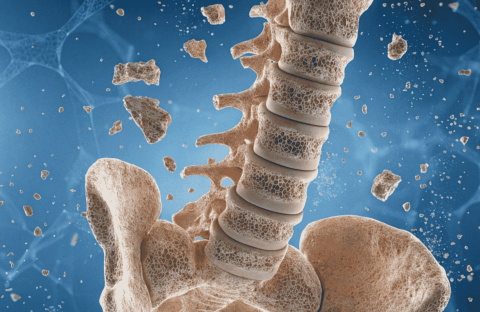
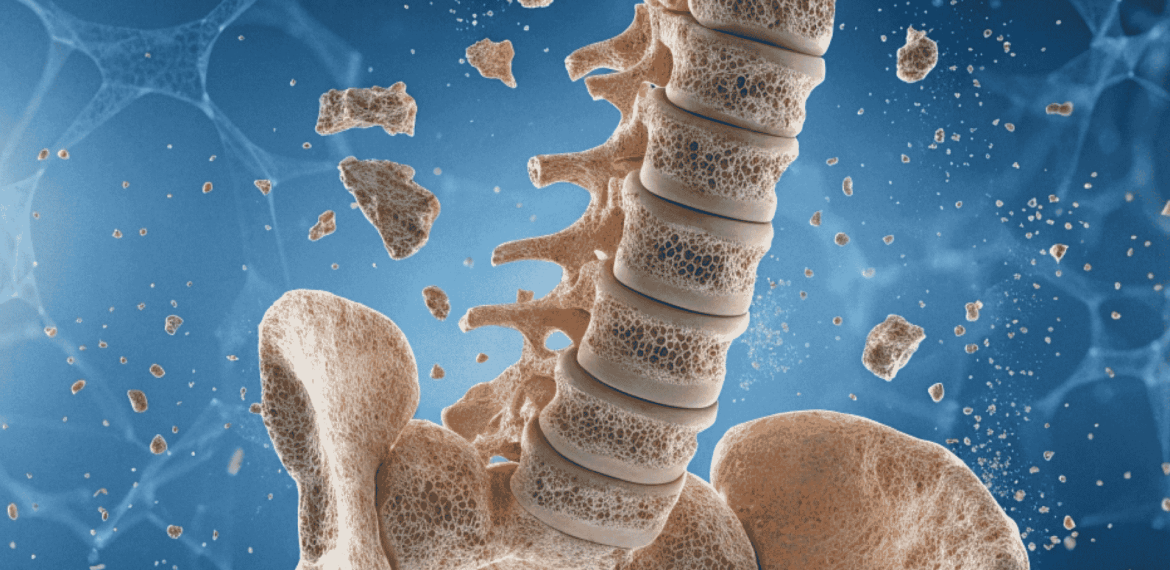
You make time for work, family, exercise and the occasional health check. But when last did you think about your bones? As World Osteoporosis Day approaches on 20 October, South Africans are being urged to pay attention to a health risk that often goes unnoticed until something breaks.
Osteoporosis is known as the silent disease because bones can gradually weaken over years without pain or obvious symptoms.
Speaking to HOT 102.7FM’s Tara Penny, Teréza Hough, CEO of the National Osteoporosis Foundation of South Africa (NOFSA), explained that the first warning can be a fracture caused by something as ordinary as slipping, tripping or even bending over.
And it’s not just a condition affecting elderly women.
The numbers might surprise you
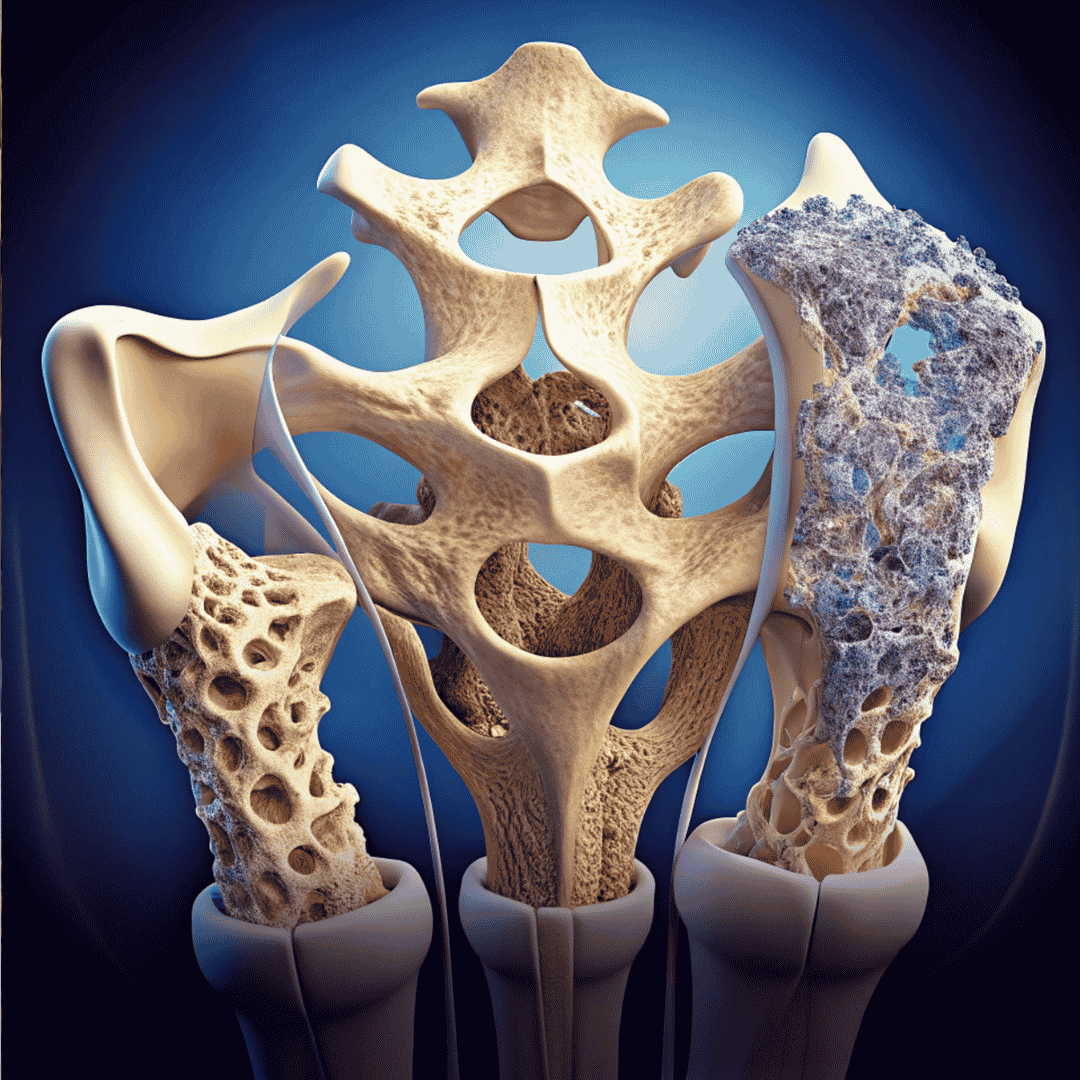
Globally, one in three women and one in five men over 50 will experience an osteoporosis-related fracture during their remaining lifetime.
While menopause increases women’s vulnerability, osteoporosis affects men too, and no South African population group is immune.
Another warning sign? Losing more than three centimetres in height could indicate fractures in the spine.
Strong bones need more than calcium
Hough says good bone health depends on several nutrients working together.
Calcium: Provides the building blocks for strong bones.
Vitamin D3: Helps your body absorb calcium.
Vitamin K2: Plays a role in directing calcium into bones.
Magnesium: Supports vitamin D function and bone structure.
Vitamin C: Helps produce collagen formation, which provides flexibility.
Protein: Supports the bone framework and strengthens muscles.
Her advice includes incorporating protein-rich foods such as eggs, fish, chicken, beans and lentils into everyday meals.
Supplements can help address nutritional gaps where appropriate, but individual requirements should be discussed with a healthcare professional.
Your daily walk might not be enough
For desk-bound Joburgers, this is worth remembering.
While swimming and leisurely walking offer important health benefits, Hough recommends combining weight-bearing activities with resistance training to maintain stronger bones.
Think brisk walking, climbing stairs, hiking or appropriate strength training.
Aim to incorporate these activities around four times a week, subject to your fitness and medical needs.
When should you get your bones checked?
Bone density scans, known as DXA or DEXA scans, can identify reduced bone density before a serious fracture occurs.
Guidelines generally recommend routine screening for women from 65 and men from 70, but earlier testing may be necessary if you have risk factors.
A previous fracture, early menopause or family history of hip fractures should prompt a conversation with your doctor.
And if your scan reveals osteopenia — lower-than-normal bone density — don’t panic. It’s an opportunity to act before further deterioration.
The message? Don’t wait for a fracture
Osteoporosis cannot be completely reversed, but treatments can slow bone loss, improve bone strength and significantly reduce fracture risk.
This World Osteoporosis Day, NOFSA is encouraging South Africans to build, protect and strengthen their bones for life.
Because looking after your bones isn’t just about growing older. It’s about staying active, independent and healthy for longer.
Give your bones the support they deserve
Supporting strong bones takes more than calcium alone. B-CAL-K2 brings together five essential bone-supporting nutrients — calcium, vitamin D3, vitamin K2, magnesium and vitamin C — in one convenient daily tablet. Designed to complement a balanced diet and active lifestyle, B-CAL-K2 helps support healthy bones, calcium absorption and normal muscle function. Speak to your pharmacist or health care professional about your individual bone-health needs.
This insight is brought to you by B-CAL-K2 in association with NOFSA.
References and further reading
National Osteoporosis Foundation of South Africa.
NOFSA – World Osteoporosis Day 2026: Build, Protect and Strengthen Your Bones for Life
International Osteoporosis Foundation – Global osteoporosis statistics
International Osteoporosis Foundation – Exercise and bone health
International Osteoporosis Foundation – Nutrition and bone health