










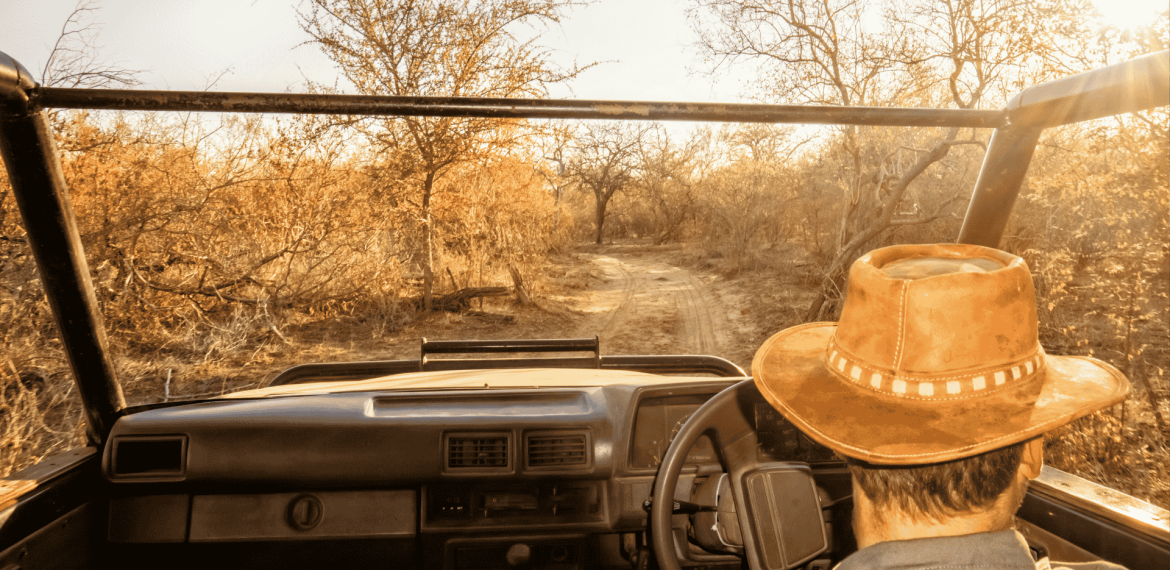
Could your next safari be stressing the wildlife you’re hoping to see?
Could your next safari be stressing the wildlife you’re hoping to see?
Could your next safari be stressing the wildlife you’re hoping to see?
 Gary Oberholzer
Could your next safari be stressing the wildlife you're hoping to see?
For many South Africans, there’s nothing quite like escaping to a game reserve for a weekend away. It’s a chance to reconnect with nature, enjoy a braai overlooking a waterhole, and experience wildlife in its natural habitat. But could our presence be placing unseen pressure on the very animals we travel to admire?
Recent South African research suggests the answer may be more nuanced than many of us realise. Scientists from the University of Pretoria’s Mammal Research Institute analysed more than 500 dung samples to investigate whether tourism affects the stress levels of wildlife.
While the findings aren’t a reason to cancel your next bush getaway, they do raise fascinating questions about how conservation and tourism can work even better together.
Listen to our full interview with zoologist Bruce Crossie below to hear what the research uncovered, why impala appear to be particularly sensitive, and how reserves could reduce pressure on wildlife without taking away the visitor experience.
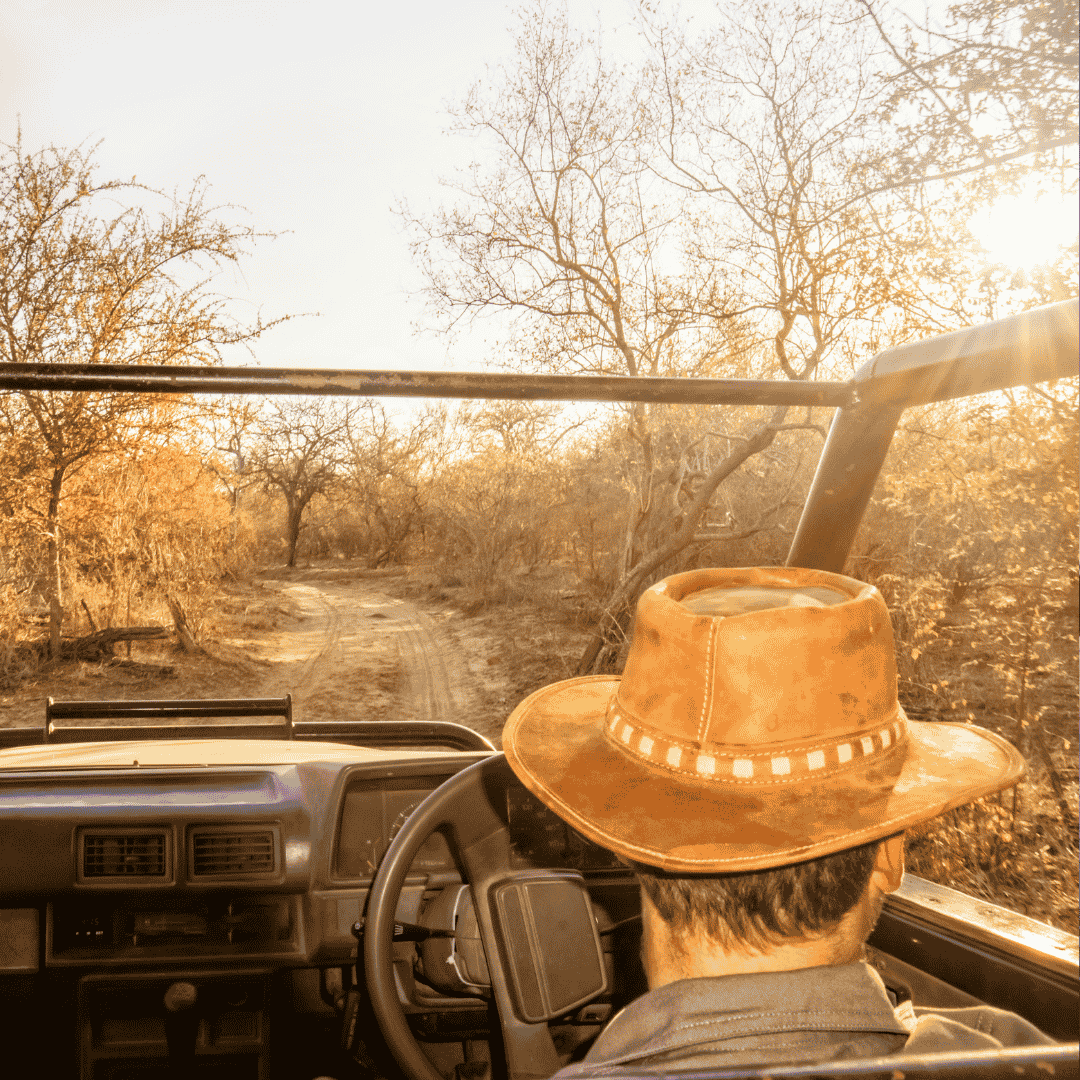
One of the study’s most reassuring findings is that tourism isn’t having the same impact across all species. Zebra, giraffe and wildebeest showed no measurable increase in stress linked to visitor activity. Impala, however, told a different story. During the dry season—when food and water are already under pressure—the animals displayed higher stress-related hormone levels during busy weekends.
The good news is that researchers aren’t calling for fewer visitors. Instead, they’re exploring smarter ways to manage tourism, such as creating quiet refuge areas near water sources during ecologically challenging periods. That could help protect vulnerable species while ensuring game reserves remain financially sustainable through tourism.
It’s a reminder that conservation isn’t simply about protecting wildlife from poaching or habitat loss. Sometimes it’s about making small, informed adjustments that benefit both animals and visitors. After all, healthy, relaxed wildlife makes for a far better safari experience—and ensures future generations can continue enjoying South Africa’s extraordinary natural heritage.


More Posts for Show: HOT Business with Jeremy Maggs