









From KZN to Anfield: the battle behind football’s most famous stand
From KZN to Anfield: the battle behind football’s most famous stand
From KZN to Anfield: the battle behind football’s most famous stand
 Gary Oberholzer
From KZN to Anfield: the battle behind football’s most famous stand
Liverpool’s Anfield Stadium is home to one of football’s most iconic and intimidating stands — The Kop — a name chanted weekly by thousands of supporters and recognised across the sporting world. Few fans, however, realise that the stand’s name traces back not to England, but to a blood-soaked hill in KwaZulu-Natal.
Spion Kop was the site of one of the deadliest battles of the Anglo-Boer War, fought on 24 January 1900. The hill earned its grim reputation after intense, close-quarters combat left hundreds dead in a single day — so many that it was later described as “an acre of massacre”.
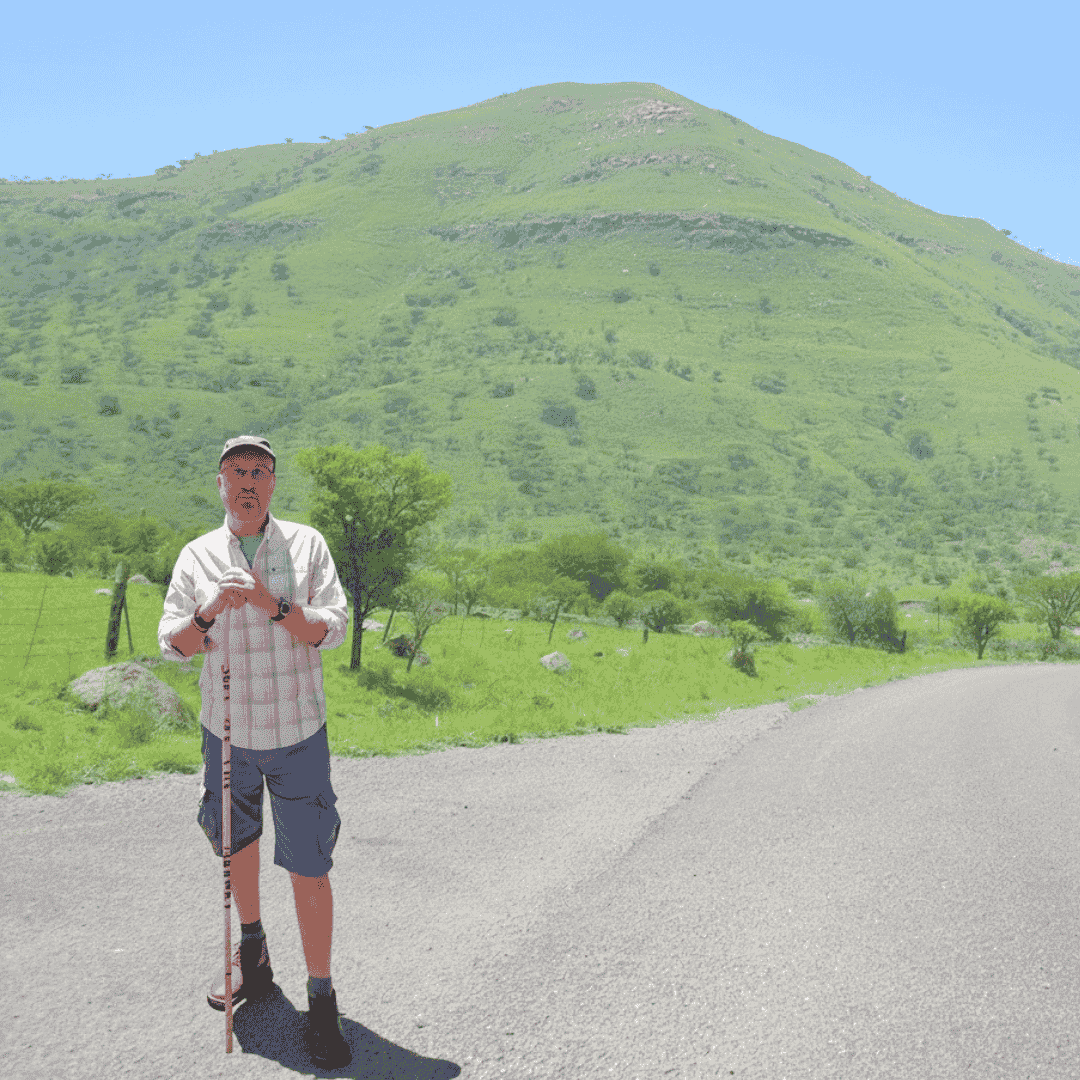
What makes Spion Kop remarkable is not only the scale of the carnage, but who stood on that battlefield.
Commanding the Boer forces was Louis Botha, who would go on to become the first Prime Minister of the Union of South Africa. On the British side was Winston Churchill, then a young war correspondent, decades before he would lead Britain through the Second World War.
Also present was Mahatma Gandhi, serving as a volunteer stretcher bearer. The human suffering he witnessed on Spion Kop is widely believed to have influenced his later philosophy of non-violent resistance — an approach that would reshape global civil rights movements.
Three men. One battlefield. Each destined to change world history.
Had a single bullet landed differently that day, the political landscape of the 20th century might have unfolded very differently.
At Anfield Stadium, The Kop was named in honour of British soldiers who fought and died at Spion Kop — a link between football and history that endures more than a century later.
In KwaZulu-Natal, Spion Kop stands as a powerful reminder that history often turns on seconds, millimetres — and character.


 Ahmed Kajee