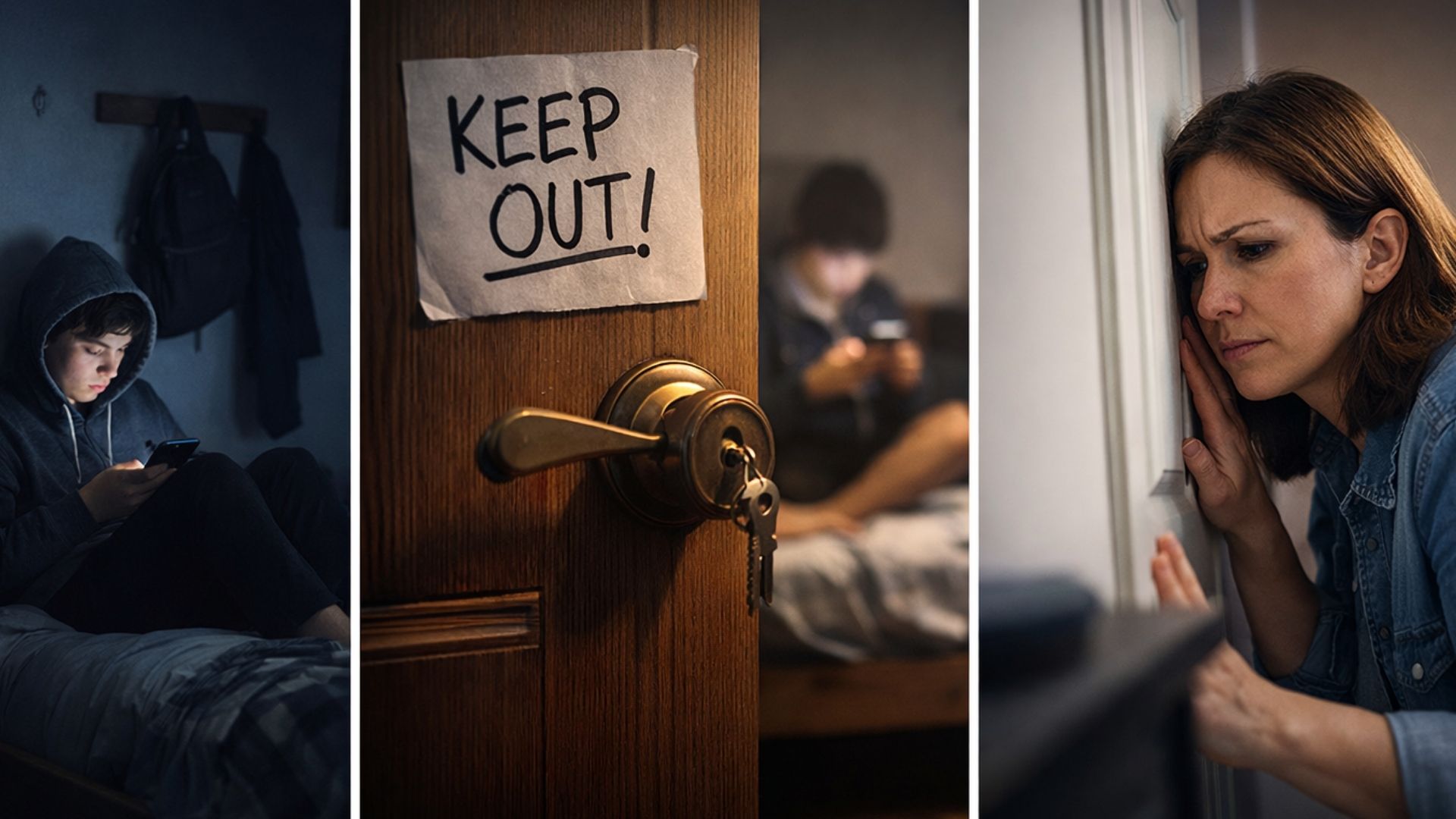










Parents: if your child locks themselves in their room with a phone, read this
Parents: if your child locks themselves in their room with a phone, read this
Parents: if your child locks themselves in their room with a phone, read this
 Ahmed Kajee
Parents: if your child locks themselves in their room with a phone, read this
As South Africa marks International Internet Safety Day, attention turns to the growing risks children face online — and the responsibility adults carry to guide them safely through an increasingly complex digital world.
Recent local data paints a sobering picture: 43% of children have been exposed to violent or inappropriate content, and nearly a quarter of teens say they’ve been targeted by cyberbullies. With technology evolving at speed — from artificial intelligence tools like ChatGPT to an ever-expanding range of social platforms — digital awareness can no longer be an afterthought.
Cyber wellness and online safety expert Rianette Leibowitz says the day is not just about awareness, but about meaningful action at home. As tech becomes smarter, she argues, our approach to managing it must evolve too.
“Artificial intelligence and websites like ChatGPT are now part of everyday life… from school and work to socialising and doom-scrolling. Today is about all of us learning — and then teaching kids to use AI intelligently.”
— Rianette Leibowitz, Cyber Wellness & Online Safety Expert
Leibowitz, founder of SaveTender™ (SaveTNet), says one of the strongest warning signs of online distress often appears offline: changes in behaviour. Parents who know what to look for can intervene early — before harm deepens.
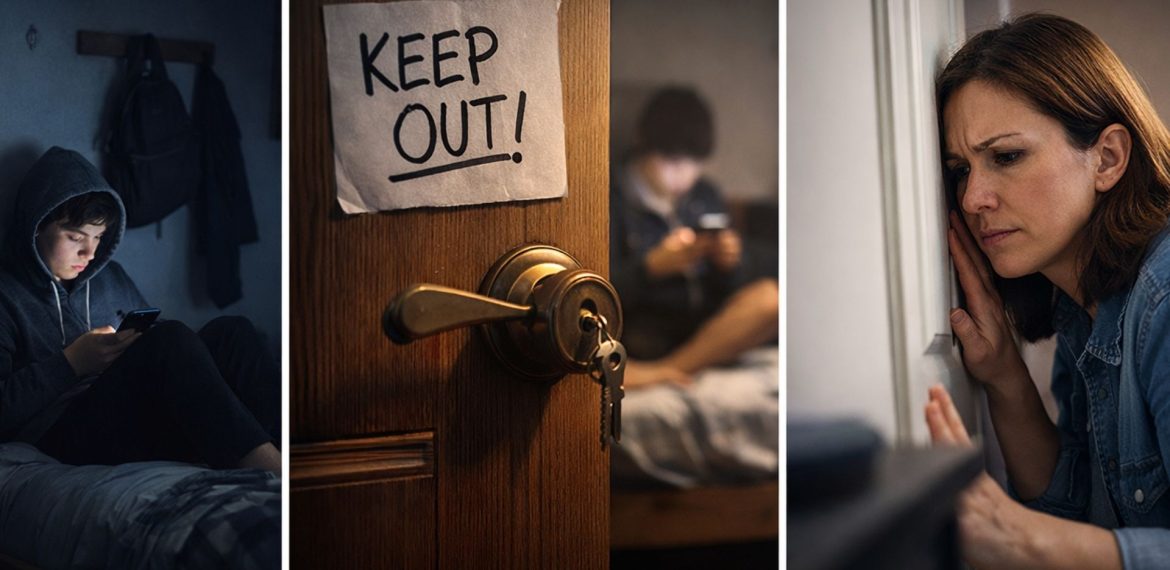
“If there’s a behavioural change — wanting to isolate in their rooms, getting angry quickly, or responding differently to how they used to — those are red flags worth paying attention to.”
— Rianette Leibowitz, Cyber Wellness & Online Safety Expert
She encourages caregivers to embrace parental-control tools as digital safeguards rather than invasions of privacy — essential “seatbelts” for young users navigating online spaces. And she stresses that parents shouldn’t hesitate to take responsibility for what happens on devices they provide.
Leibowitz’s message is firm: if you pay for the phone and the Wi-Fi, you have both the right and the duty to check what’s happening on them. Browser histories, WhatsApp chats, and usage patterns can all offer important insights.
But even with every safety setting in place, one reality remains: all it takes is a single child at school saying “Hey, look at this” for another to be exposed to something harmful.
As Internet Safety Day reminds us, protecting children online requires conversation, vigilance, and proactive care — especially as technology continues to accelerate.
Read More: Win with HOT 1027 and The Courier Guy
Listen to Hot 1027’s Gareth Edwards explainer below…