








How Miriam Makeba paved the way for South Africans on the Grammy stage
How Miriam Makeba paved the way for South Africans on the Grammy stage
How Miriam Makeba paved the way for South Africans on the Grammy stage
 Gary Oberholzer
How Miriam Makeba paved the way for South Africans on the Grammy stage
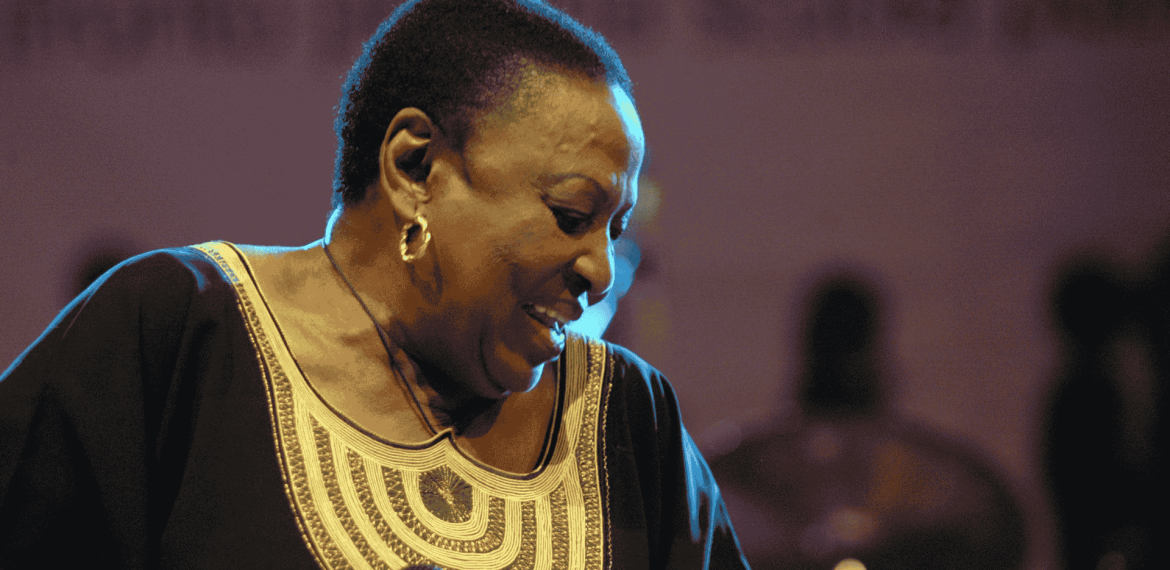
As the music world turns its eyes to the Grammy Awards this weekend, South Africans will again be cheering on homegrown stars like Tyla and Trevor Noah. But long before modern icons took the stage, it was Miriam Makeba — affectionately known as Mama Africa — who broke ground for her country on music’s biggest platform.
In 1966, Makeba became the first South African to win a Grammy Award, sharing the Best Folk Recording trophy with American singer Harry Belafonte for their album An Evening with Belafonte/Makeba — at a time when apartheid-era South Africa banned her music and barred her from returning home.
Makeba’s rise was not simply about music — it was deeply political. Born near Johannesburg in 1932, she used her voice to denounce apartheid and became an international symbol of resistance. Her hit Pata Pata became a global sensation in 1967, making her one of the first African women with a worldwide chart success.
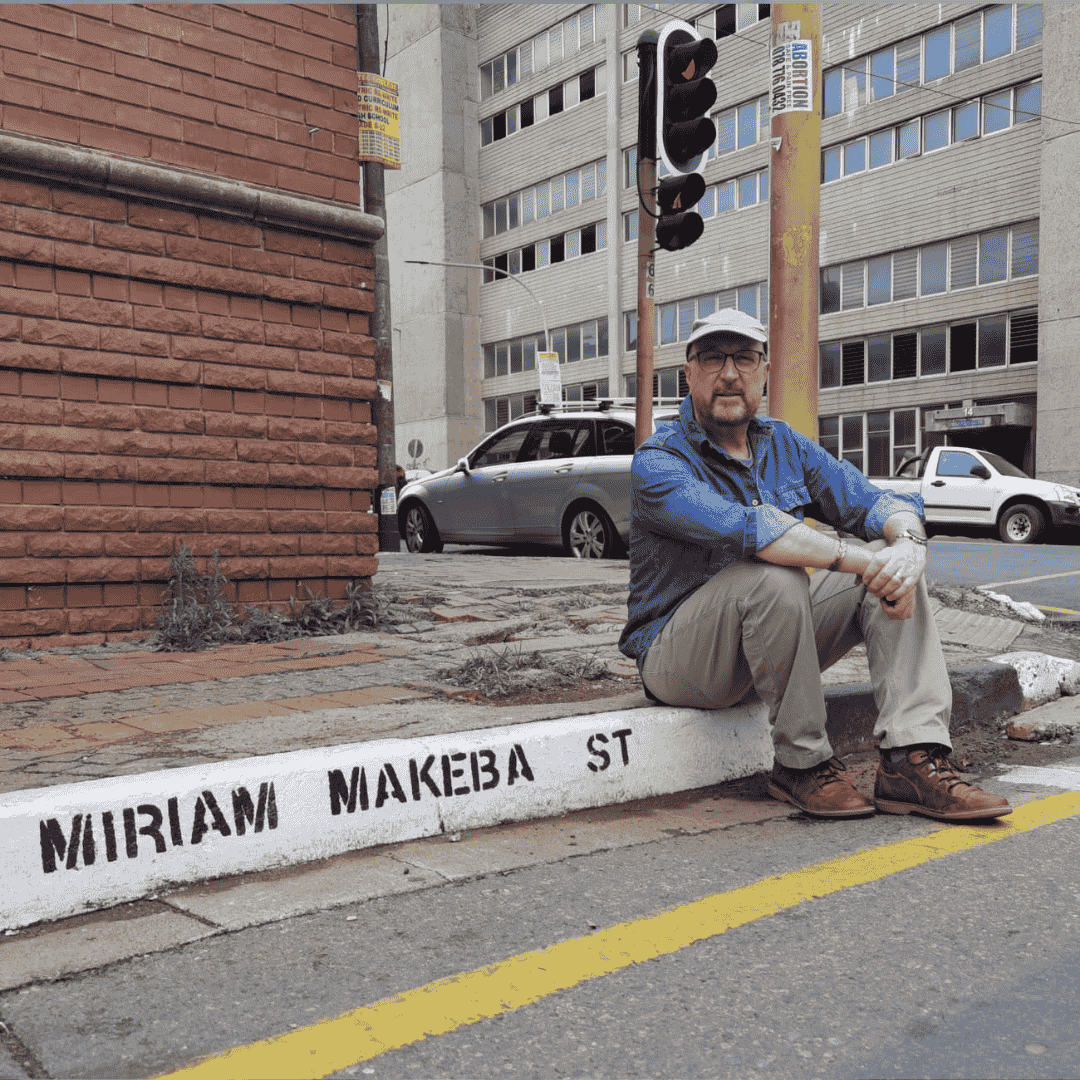
Her legacy also lives on in the streets of her hometown. In Johannesburg’s Newtown cultural precinct, a major street was renamed Miriam Makeba Street in her honour, cementing her place on the city’s map and celebrating her contribution to South African culture and music history.
Makeba spent decades in exile advocating for freedom and unity through her music and activism, only returning after the end of apartheid. Today her influence is unmistakable — from billboards to Joburg’s road signs — and in the way South African artists step onto global stages like the Grammys with pride.
sources
Miriam Makeba – Wikipedia article on Makeba’s career and Grammy win Wikipedia: Miriam Makeba
Britannica biography highlighting her Grammy and activism Britannica: Miriam Makeba biography
South African History Online on her exile and anti-apartheid activism SAHistory.org.za: Miriam Makeba biography
UNISA historical notes on her chart success with Pata Pata UNISA: Miriam Makeba achievements


 Ahmed Kajee