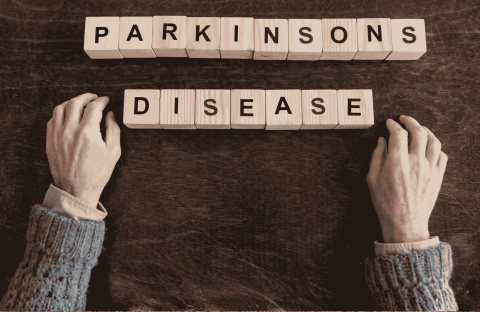









World Parkinson’s Day: why awareness, early diagnosis and access to care matter
World Parkinson’s Day: why awareness, early diagnosis and access to care matter
World Parkinson’s Day: why awareness, early diagnosis and access to care matter
 Gary Oberholzer
World Parkinson’s Day: why awareness, early diagnosis and access to care matter
For World Parkinson’s Day (on 11 April), the spotlight is once again turning to one of the world’s fastest-growing neurological conditions — and why awareness has never been more important.
Parkinson’s disease is often most closely associated with tremors, but experts say that is only part of the picture. It is a progressive neurological condition that affects the brain’s ability to produce dopamine, a chemical essential for smooth movement, coordination and control. Over time, this can impact walking, speech, balance, sleep, mood and even swallowing.
What many people may not realise is that Parkinson’s also includes a wide range of non-motor symptoms, from depression and anxiety to sleep disturbances and cognitive changes. The World Health Organization notes that while there is currently no cure, the right combination of medication, physiotherapy, speech therapy and occupational therapy can dramatically improve quality of life.
That is why World Parkinson’s Day is about more than awareness — it is about advocacy, support and access to care.
For families navigating a diagnosis, early recognition can make a significant difference. Symptoms such as stiffness, slower movement, reduced facial expression, a softer voice or changes in handwriting should not be ignored.
Listen to the HOT 1027 News report below: