








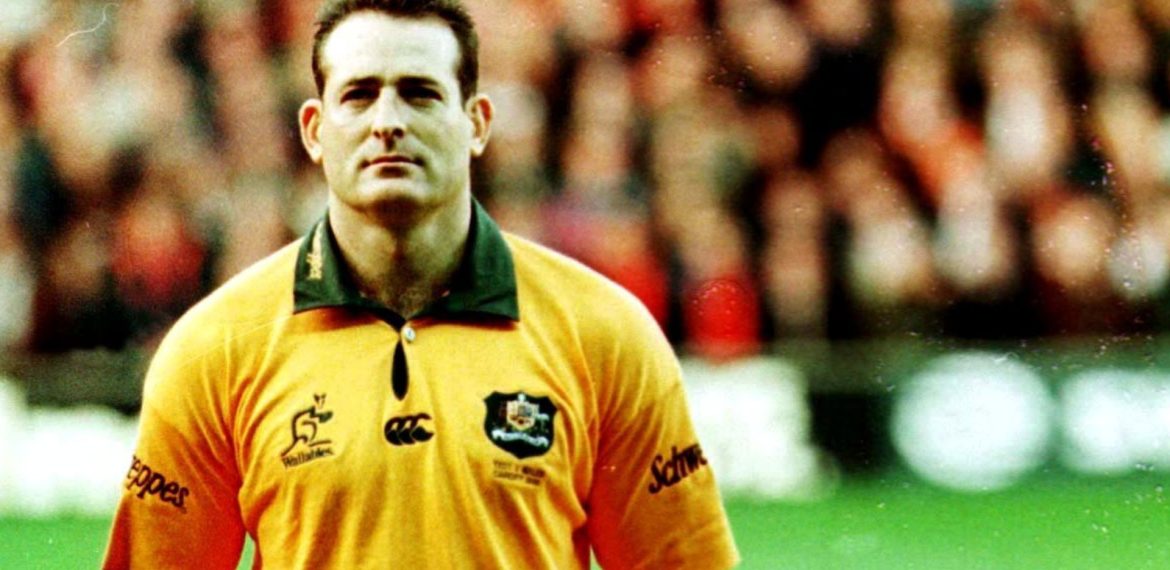
David Campese on why the Springboks still have the edge at Ellis Park
David Campese on why the Springboks still have the edge at Ellis Park
David Campese on why the Springboks still have the edge at Ellis Park
 Christa Eybers
David Campese on why the Springboks still have the edge at Ellis Park
Former Wallabies great David Campese joined HOT 1027 Breakfast ahead of the Springboks’ clash with Australia at Ellis Park — a venue where the Aussies last won in 1963.
Speaking from the Gold Coast, Campese reflected on the current state of Australian rugby, which he described as “very sad” compared to its golden years. He criticised Rugby Australia’s reliance on Kiwi coaches, a lack of player development, and administrative decisions that have left the game struggling for identity and competitiveness. “We’ve been in indulgence for years… $80 million in debt to World Rugby, and we can’t even pick our own coaches,” he said.
Campese lamented the erosion of the entertaining style that once drew crowds, noting the fierce competition from other football codes in Australia. “In the ’80s, we used to entertain people — and when you entertain, people watch. Now, there’s not really much entertainment,” he remarked. He also questioned team selections, pointing to inconsistent halfback combinations and sudden changes in player roles.
Looking ahead to the Ellis Park match, Campese acknowledged South Africa’s depth, calling them capable of fielding “four or five” competitive teams.
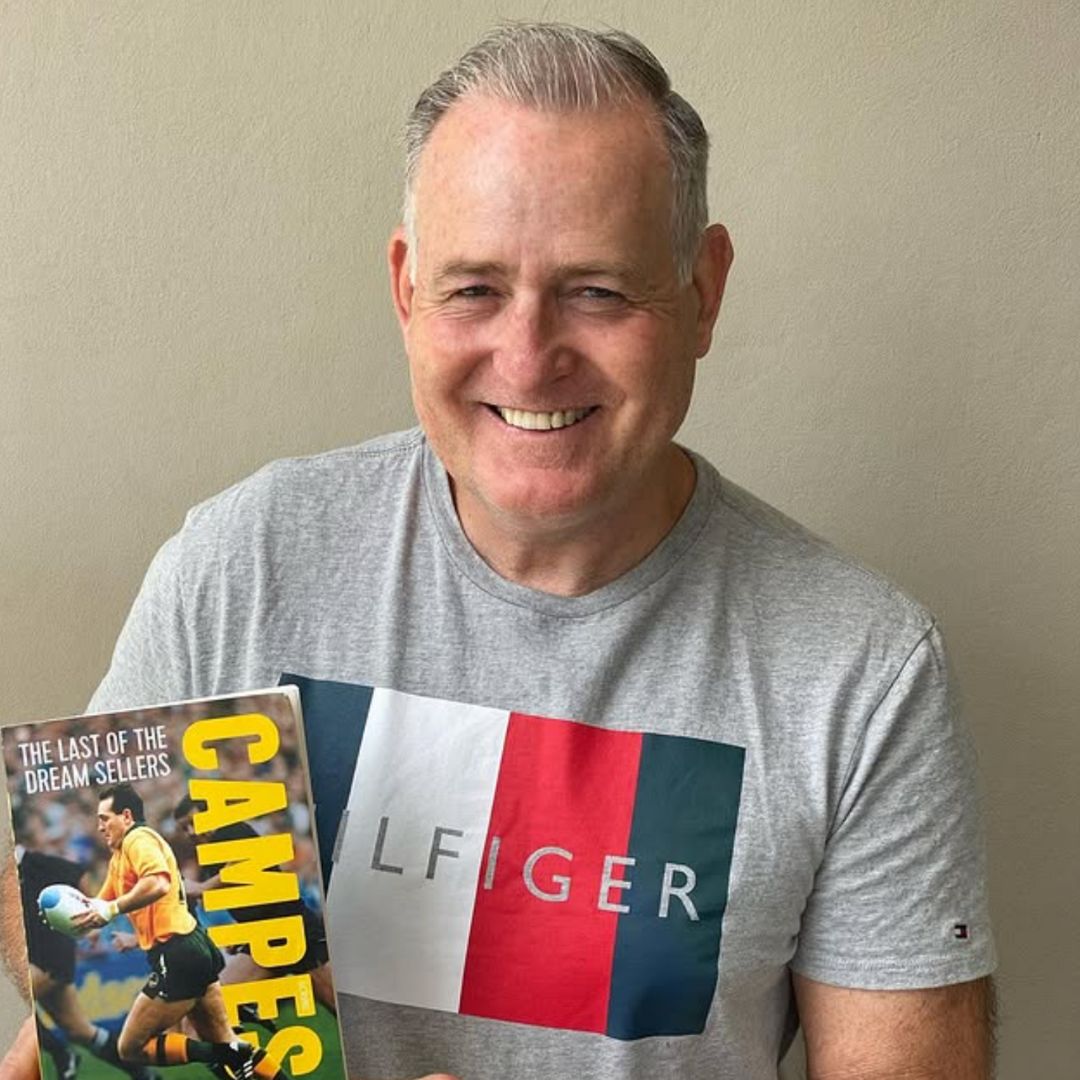
While he’s not entirely convinced by the Bok fly-half choice, he believes pressure could test them. He predicted a closer contest than many expect but still tipped the Springboks to edge it — suggesting a final score around 26–21.
Campese also expressed concern for the game’s future in Australia, citing his experience coaching an under-13 team where many players “don’t watch rugby.” By contrast, he praised South Africa’s youth systems, highlighting the talent pipeline evident at Craven Week and the under-20 level.
Whether Australia can turn things around remains to be seen, but for Campese, it starts with going “back to Australians who actually understand the game.”

 Gary Oberholzer