










Why regenerative agriculture is becoming part of mainstream farming strategy
Why regenerative agriculture is becoming part of mainstream farming strategy
Why regenerative agriculture is becoming part of mainstream farming strategy
 Gary Oberholzer
Why regenerative agriculture is becoming part of mainstream farming strategy
South Africa’s agricultural sector is under growing pressure from multiple fronts. Farmers are navigating rising input costs, unpredictable weather patterns, water management challenges, and increasing expectations to operate more sustainably, all while protecting profitability in a highly competitive environment.
Against this backdrop, regenerative agriculture is gaining momentum, not only as an environmental approach, but increasingly as a business strategy that may strengthen long-term resilience and unlock new revenue opportunities through verified carbon markets.
Speaking on HOT Business with Jeremy Maggs, powered by Standard Bank, Brendan Jacobs, Head of Agribusiness for Business and Commercial Banking at Standard Bank, explains why more farmers are beginning to explore these practices and how sustainability in agriculture is becoming more commercially relevant.
At the centre of the discussion is Standard Bank’s partnership with Orizon Agriculture, which aims to support eligible farmers in accessing verified carbon markets through regenerative farming practices.
While concepts such as carbon credits and sustainability-linked financing can often seem complex or inaccessible, Jacobs emphasises a focus on practical implementation and measurable value for farmers.
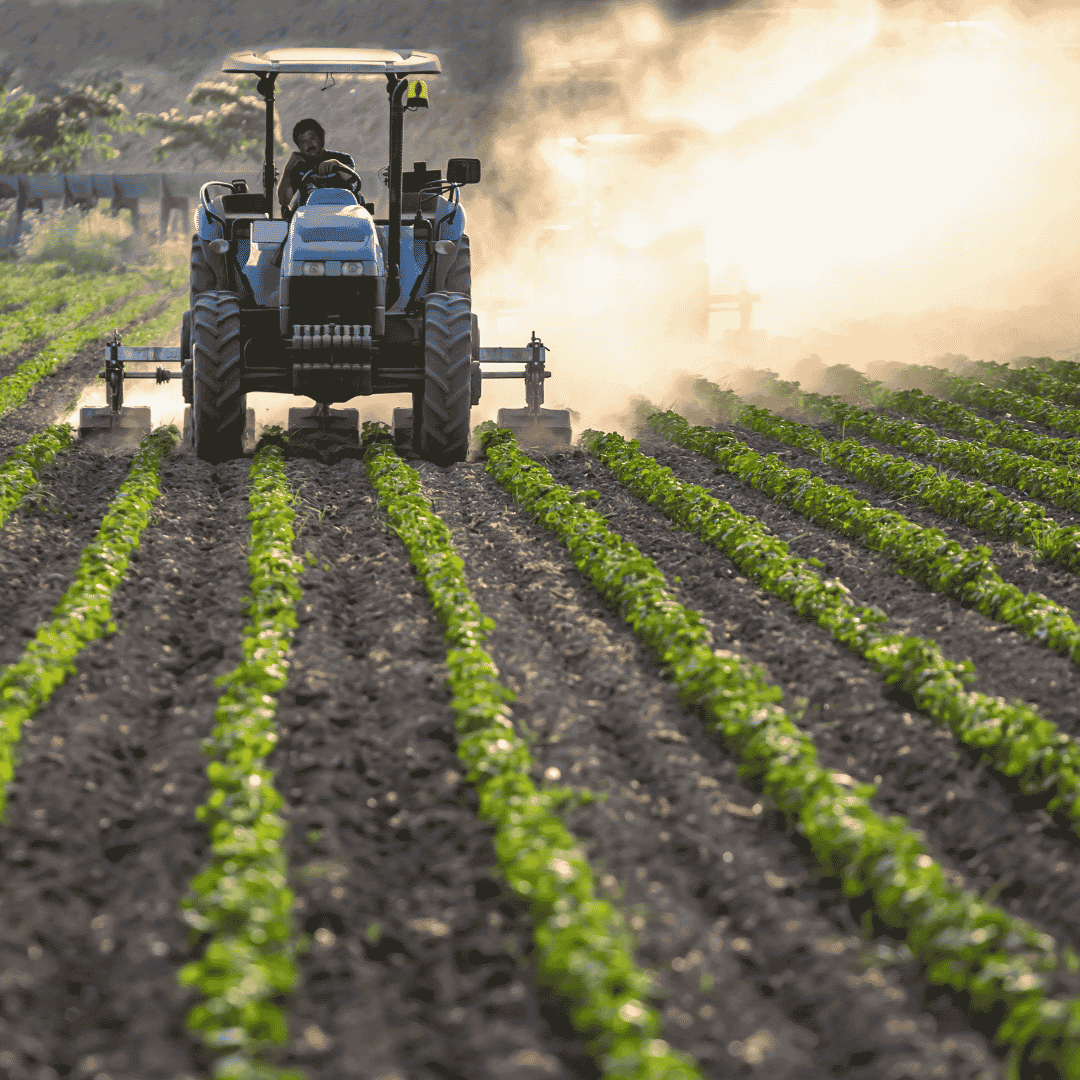
He notes that many farmers may already be applying elements of regenerative agriculture without fully recognising their potential value within carbon markets. Practices such as reduced tillage, lower synthetic fertiliser use, cover cropping, composting, and improved soil management are increasingly being adopted to enhance operational resilience and efficiency.
This shift is significant. Regenerative agriculture is no longer viewed as a niche or experimental approach but is steadily becoming part of mainstream agricultural strategy in South Africa, particularly for producers focused on long-term sustainability while managing tighter margins and climate-related risks.
Jacobs also highlights that farmers remain appropriately cautious about emerging carbon market opportunities. Questions around governance, transparency, and credibility are critical, particularly when introducing new revenue streams into an already complex operating environment. For this reason, the programme is initially focused on testing, learning, and ensuring robust due diligence before any broader rollout.
How could carbon credits evolve into a meaningful additional revenue stream for South African farmers? Listen to the full discussion below:
A key theme emerging from the discussion is accessibility. While the early pilot phase focuses primarily on larger commercial farmers, the long-term ambition is to expand participation to emerging and smaller-scale producers as the programme develops. This broader inclusion will be increasingly important in a country where climate resilience, food security, and sustainable farming practices are closely linked.
The partnership also reflects a wider global shift: sustainability initiatives are becoming increasingly integrated into core business strategy. Farmers are under pressure not only to produce more efficiently, but also to manage water resources more effectively, improve soil health, and adapt to increasingly volatile conditions.
As Jacobs notes, many of these practices are already becoming standard business decisions rather than peripheral initiatives, with the potential to carry direct economic value over time.




More Posts for Show: HOT Business with Jeremy Maggs