








Boreholes are booming in South Africa — and government is taking notice
Boreholes are booming in South Africa — and government is taking notice
Boreholes are booming in South Africa — and government is taking notice
 Gary Oberholzer
Boreholes are booming in South Africa — and government is taking notice
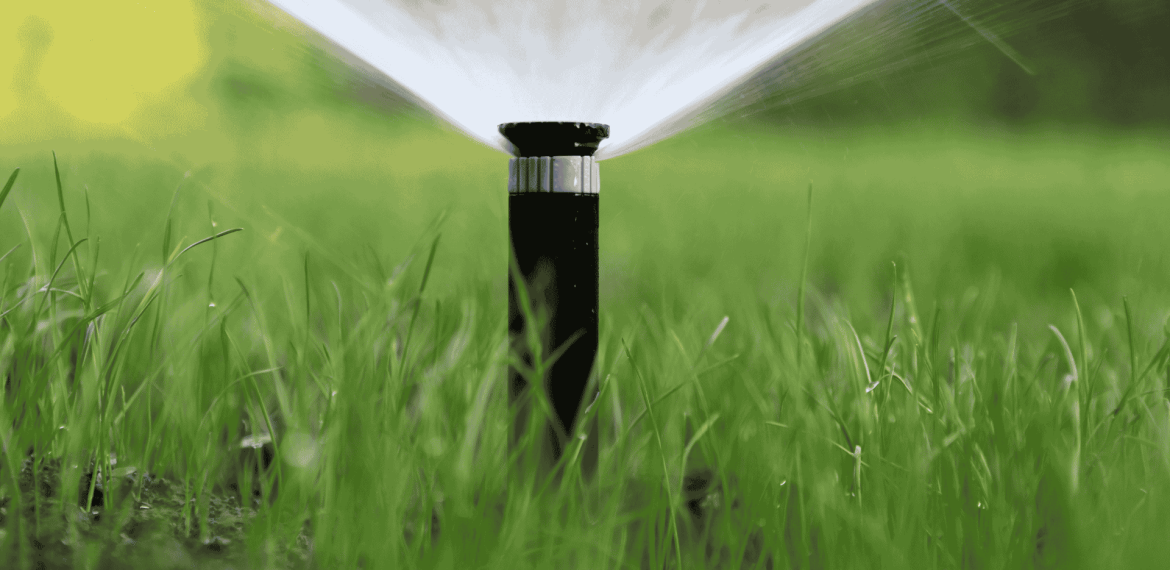
For many affluent South Africans, a borehole has become less of a luxury and more of a long-term resilience plan.
In suburbs where lush gardens, home offices, pools, and rising municipal instability all intersect, groundwater is increasingly seen as a way to maintain both lifestyle and security. But as more households turn underground for reliability, experts are warning that South Africa may be edging toward a largely invisible water crisis.
Speaking on HOT Business with Jeremy Maggs, powered by Standard Bank, Professor Sarina Esterhuyse from the University of the Free State’s Centre for Environmental Management says the country is seeing a dramatic rise in private borehole drilling — often without proper monitoring or regulation.
That trend is becoming particularly relevant as climate experts continue to warn about the possible return of El Niño conditions — weather patterns typically associated with hotter, drier periods and increased water stress across Southern Africa. If municipal systems are already under pressure now, the demand for alternative water sources could intensify significantly in the years ahead.
For many urban homeowners, boreholes offer peace of mind. During outages, restrictions, or supply interruptions, they help keep gardens alive and households functioning. But according to Esterhuyse, groundwater should not be viewed as an unlimited private backup plan.
She explains that while aquifers may not suddenly run dry overnight, the combination of unmanaged drilling, pollution, weak oversight, and climate pressure creates long-term risks — particularly because groundwater problems are harder to detect than surface water issues.
Listen to Jeremy Maggs’ full conversation with Professor Sarina Esterhuyse below:
The scale of the boom is significant. Estimates suggest that between 80,000 and 100,000 new boreholes are drilled annually in South Africa, many of them unregistered. That creates a major planning problem for government and water authorities who cannot accurately measure how much groundwater is being extracted — or where aquifers may already be under strain.
At the same time, the economics of boreholes naturally favour wealthier households. Esterhuyse notes that a fully installed borehole system can cost anywhere between R80,000 and R120,000, placing it out of reach for many middle-income South Africans.
That raises another uncomfortable reality: water security is increasingly becoming something people buy privately when public systems fail.
Government is now considering tighter controls, including registration, reporting, and potentially metering requirements. But Esterhuyse cautions that treating ordinary homeowners the same way as mines, farms, or industrial users could create unintended consequences.
Instead, she argues for a more balanced approach — one that encourages self-registration and better data collection from households, while placing stricter monitoring obligations on large-scale commercial users who consume vastly greater volumes of groundwater.
The bigger concern, though, is what happens if South Africa enters another prolonged drought cycle.
In cities where boreholes have already become part of modern suburban infrastructure, groundwater could become one of the country’s most important buffers against future water shortages. But like electricity, fuel, and other critical resources, it may no longer be something South Africans can afford to take for granted.



 Christa Eybers
More Posts for Show: HOT Business with Jeremy Maggs