









Joburg’s future is in your hands: Why your vote matters this Wednesday
Joburg’s future is in your hands: Why your vote matters this Wednesday
Joburg’s future is in your hands: Why your vote matters this Wednesday
 Gary Oberholzer
Joburg's future is in your hands: Why your vote matters this Wednesday
Broken traffic lights. Pothole-riddled roads. Dry taps. Rising municipal bills. For Johannesburg residents, the challenges facing our city are impossible to ignore. But this Wednesday, 4 November, Joburgers have an opportunity to have their say about its future.
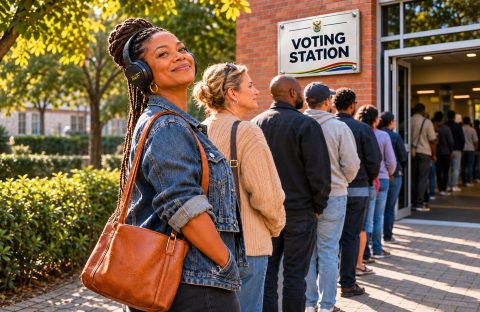
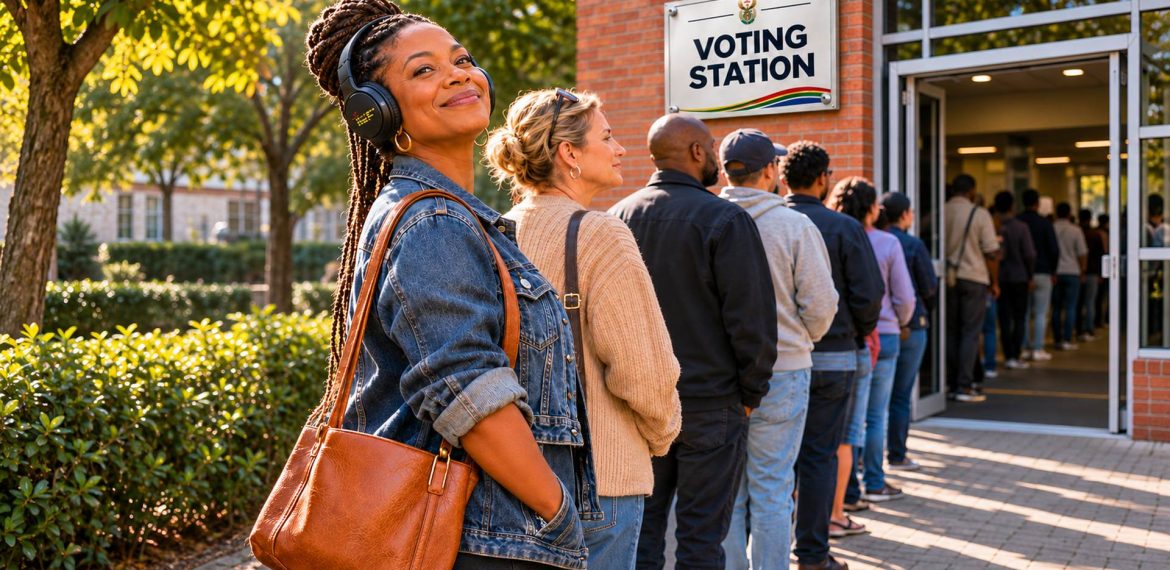
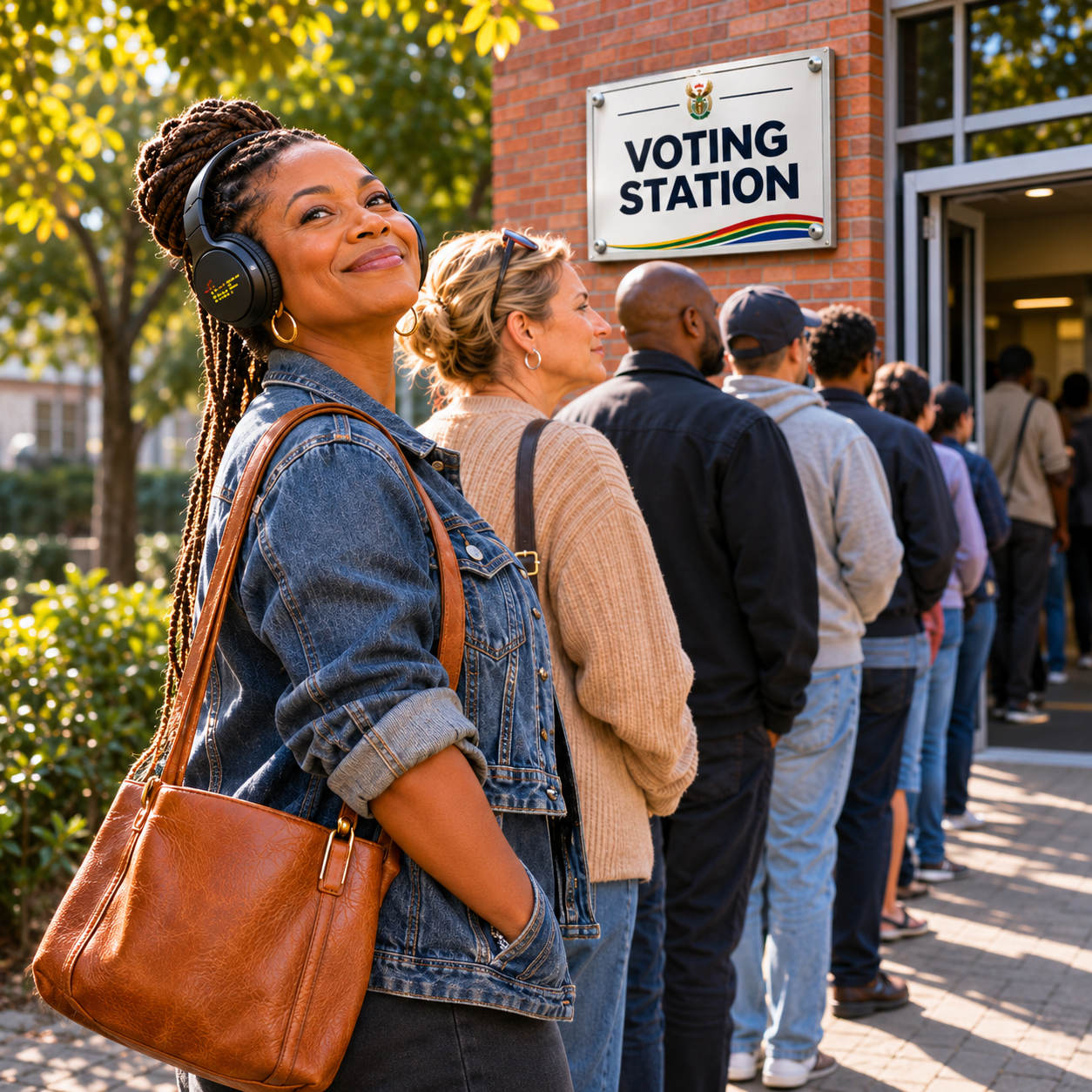
This week Wednesday South Africans head to the polls for the 2026 Local Government Elections, with voting stations open from 7am to 9pm.
And while election fatigue is understandable, civic organisations believe that meaningful change starts with residents recognising just how much local government affects their daily lives.
Over the past few weeks, HOT 102.7FM News has been investigating the challenges facing Johannesburg, speaking to residents, civic organisations and accountability experts about what it will take to get our city working again.
The message emerging from those conversations is clear: Johannesburg has serious problems, but its future is far from beyond repair.
Why local government matters more than you might think
Unlike national elections, local government elections are about the people responsible for many of the services we rely on every single day. The roads we drive on. The water coming out of our taps. Streetlights, rubbish collection, municipal finances and the condition of our neighbourhoods.
As Julia Fish from JoburgCAN puts it:
“Local government is where we experience government.”
And for residents who have spent years dealing with failing infrastructure and unreliable services, those decisions have very real consequences. From families investing in backup water systems to motorists navigating dangerous potholes and broken traffic lights, Joburgers are increasingly paying for services they cannot always rely on.
But frustration doesn’t have to mean disengagement.
Your vote is only the beginning
Wade Manning from Defend Our Democracy believes many South Africans have lost sight of the connection between their vote and their everyday experiences. “They haven’t been able to connect their vote to their lived experience. They see the vote as something outside of them that happens once every five years.”
It’s a powerful reminder that voting isn’t simply about political parties or election posters. It’s about choosing the people who will make decisions affecting your neighbourhood, your household and your city. And the responsibility doesn’t end when you leave the voting station.
As Innocent Mabusela from Jozi My Jozi reminds us:
“It doesn’t end with voting. It starts with voting.”
That means staying informed, asking difficult questions, reporting service delivery failures and holding elected representatives accountable for their promises.
You’re not actually voting for a mayor
Here’s something that might surprise some voters: Despite the faces of would-be mayors appearing on election posters, Johannesburg residents won’t be voting directly for a mayor on Wednesday.
Instead, voters in Johannesburg will receive two ballot papers:
- A ward ballot, where you choose the councillor who will represent your neighbourhood.
- A proportional representation ballot, where you vote for a political party to help determine the composition of the City Council.
You don’t have to support the same political party on both ballots. Once the council has been elected, councillors choose the mayor. That makes it particularly important to understand who is standing in your ward, what they’ve achieved and how they intend to represent residents.
As Wayne Duvenage from OUTA told HOT 102.7FM News:
“This is not about populist politics. This is about fixing the city of Joburg.”
Can Johannesburg turn things around?
Despite the city’s considerable challenges, there is still reason for optimism. Across Johannesburg, residents’ associations, businesses and civic organisations are already working to improve public spaces, repair infrastructure and revitalise neighbourhoods.
And those efforts are helping demonstrate what’s possible when people work together.
“Joburg is very fixable,” says OUTA’s Wayne Duvenage.
It’s a sentiment echoed by Innocent Mabusela from Jozi My Jozi:
“If we can fix Johannesburg, we can fix any town in South Africa.”
The challenge now is ensuring that community determination is matched by effective local government.
Johannesburg has never been a city of people that give up easily
It’s a place built on ambition, resilience and the determination of people who believe that tomorrow can be better than today. The challenges are real. So is the potential.
And while no single election can fix every pothole, restore every water supply or solve every municipal problem overnight, democratic participation gives residents a way to help shape the decisions that affect their lives. As HOT 102.7FM News has discovered throughout its investigation, Joburg’s greatest asset has never been its gold. It’s the people who refuse to give up on it.
What you need to know for voting on Wednesday:
- Voting hours: 07:00–21:00
- Public holiday: Election Day has been declared a national public holiday.
- Bring your ID: You’ll need your green barcoded ID book, smart ID card or valid temporary identity certificate.
- Know your voting station: Check your details with the IEC before leaving home.
- Lost your ID? Home Affairs offices will be open from 08:00 to 18:00 on 2 and 3 November, and from 07:00 to 21:00 on Election Day, to assist with ID documents and temporary identity certificates.
Driver’s licences, passports and photocopies of ID documents are not accepted for voting.

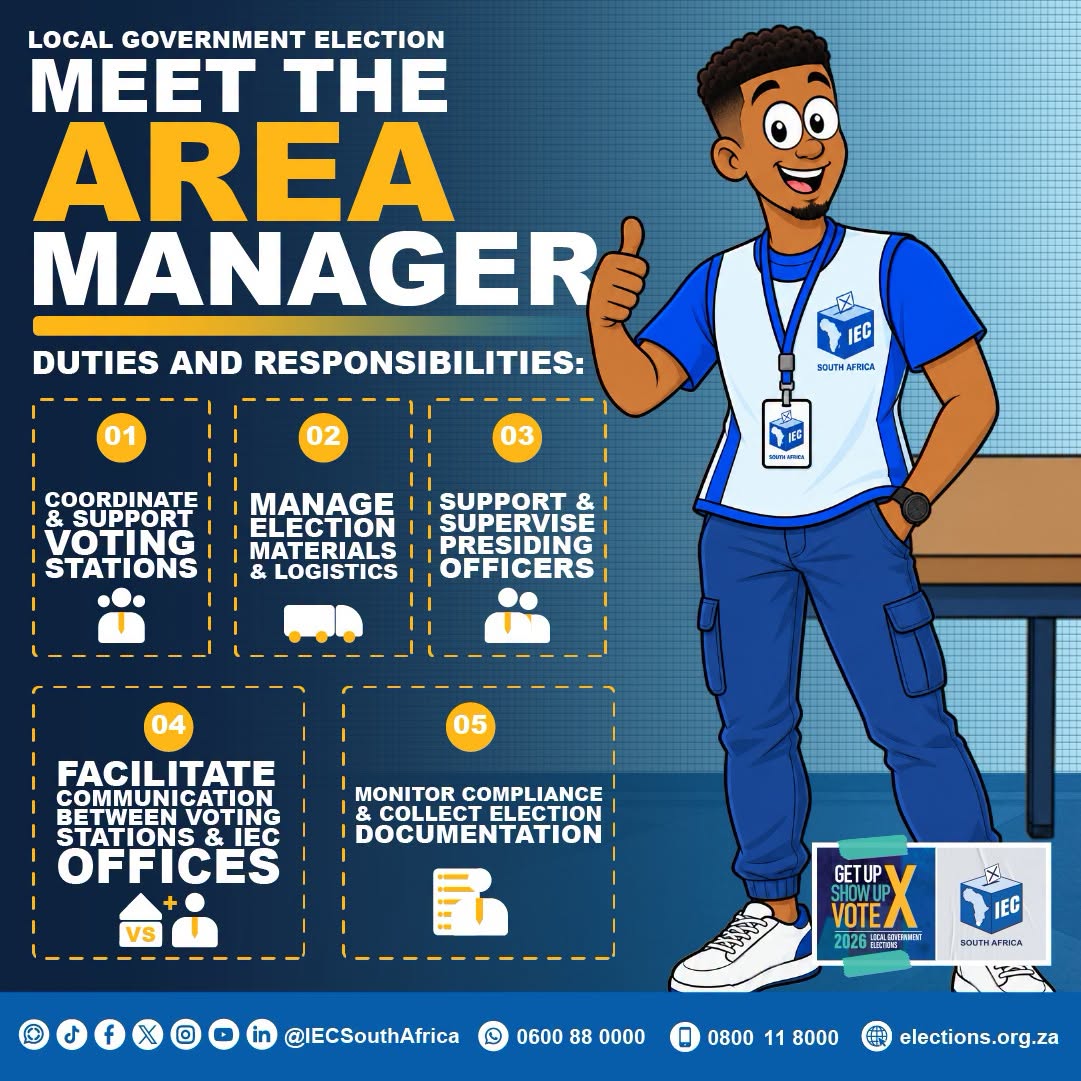

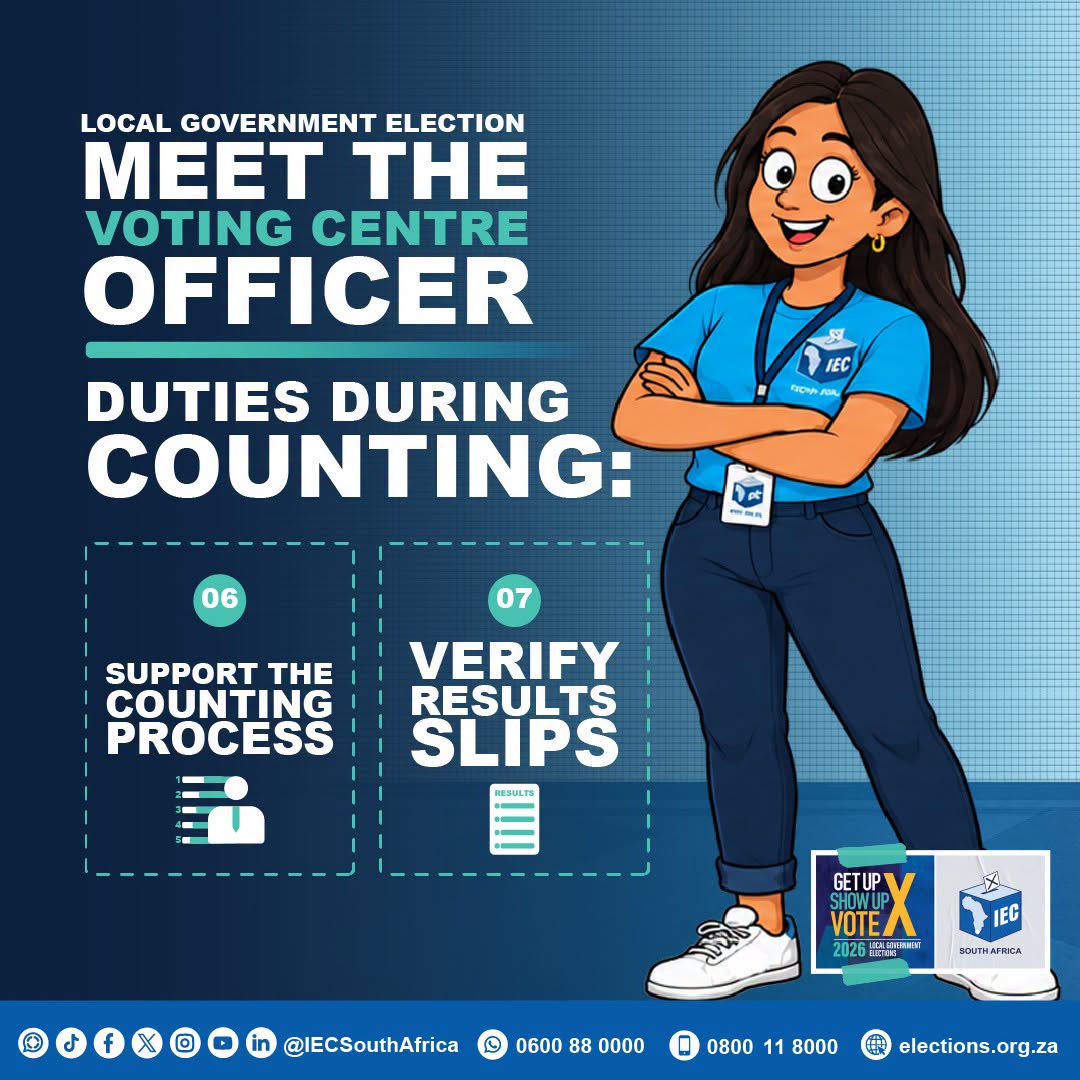
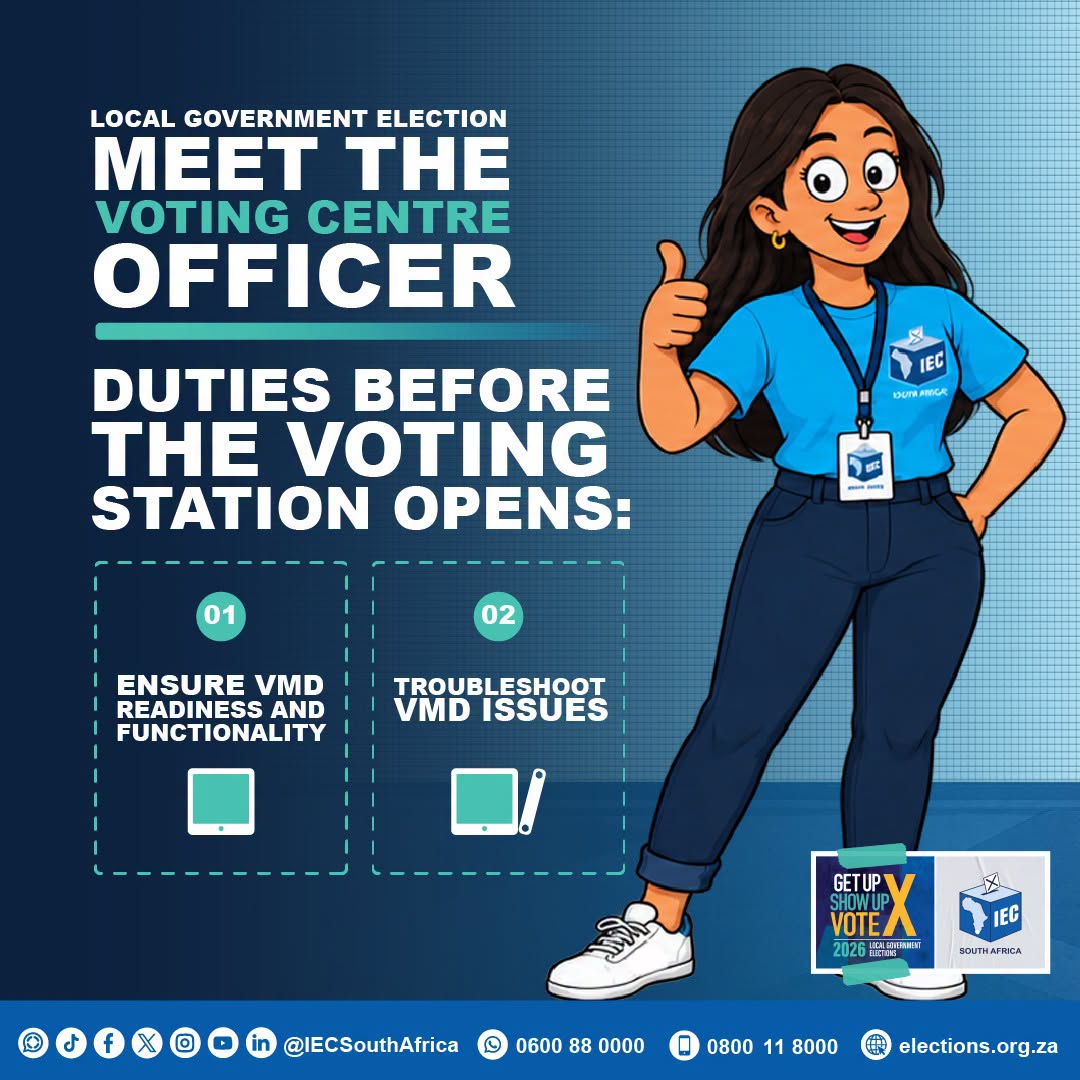
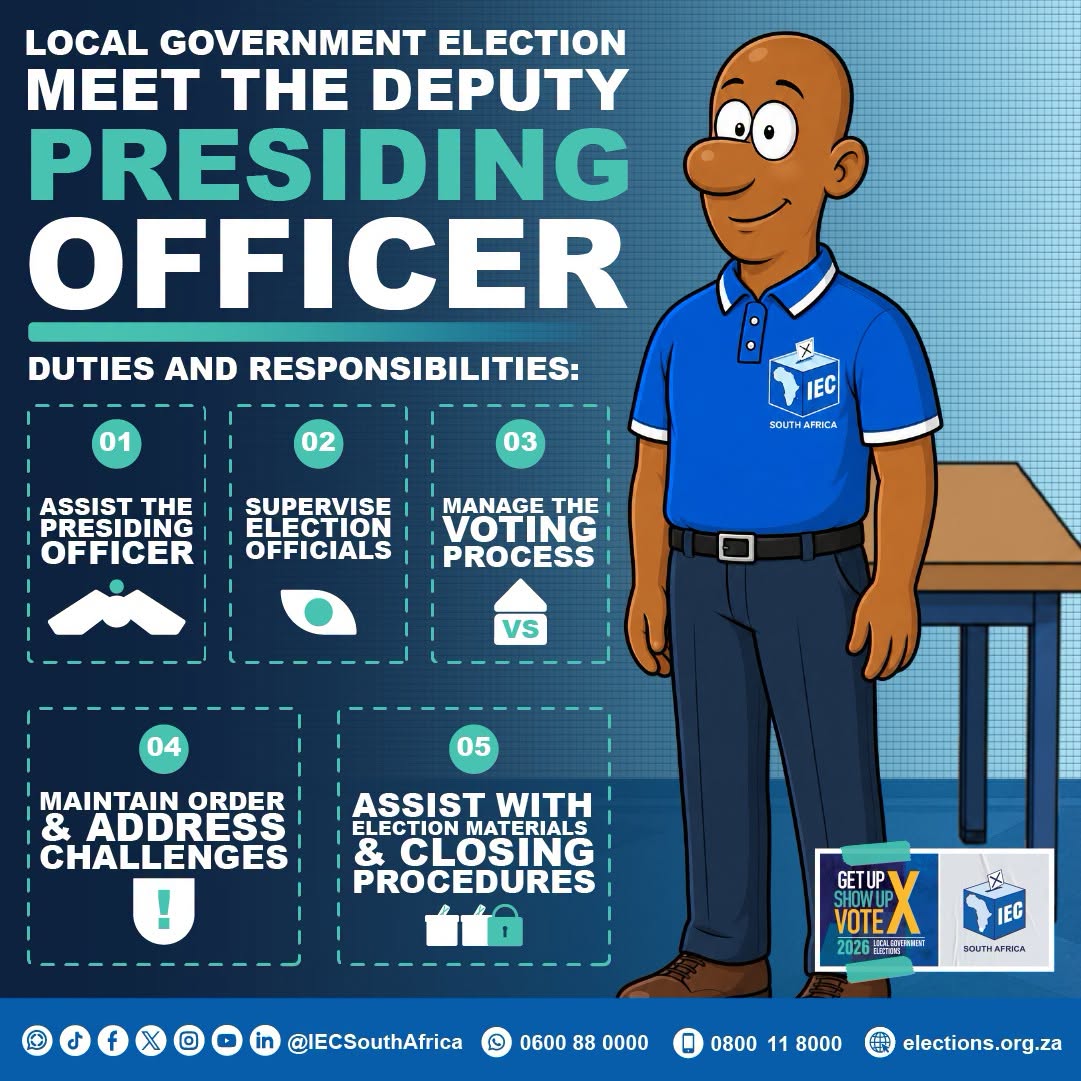

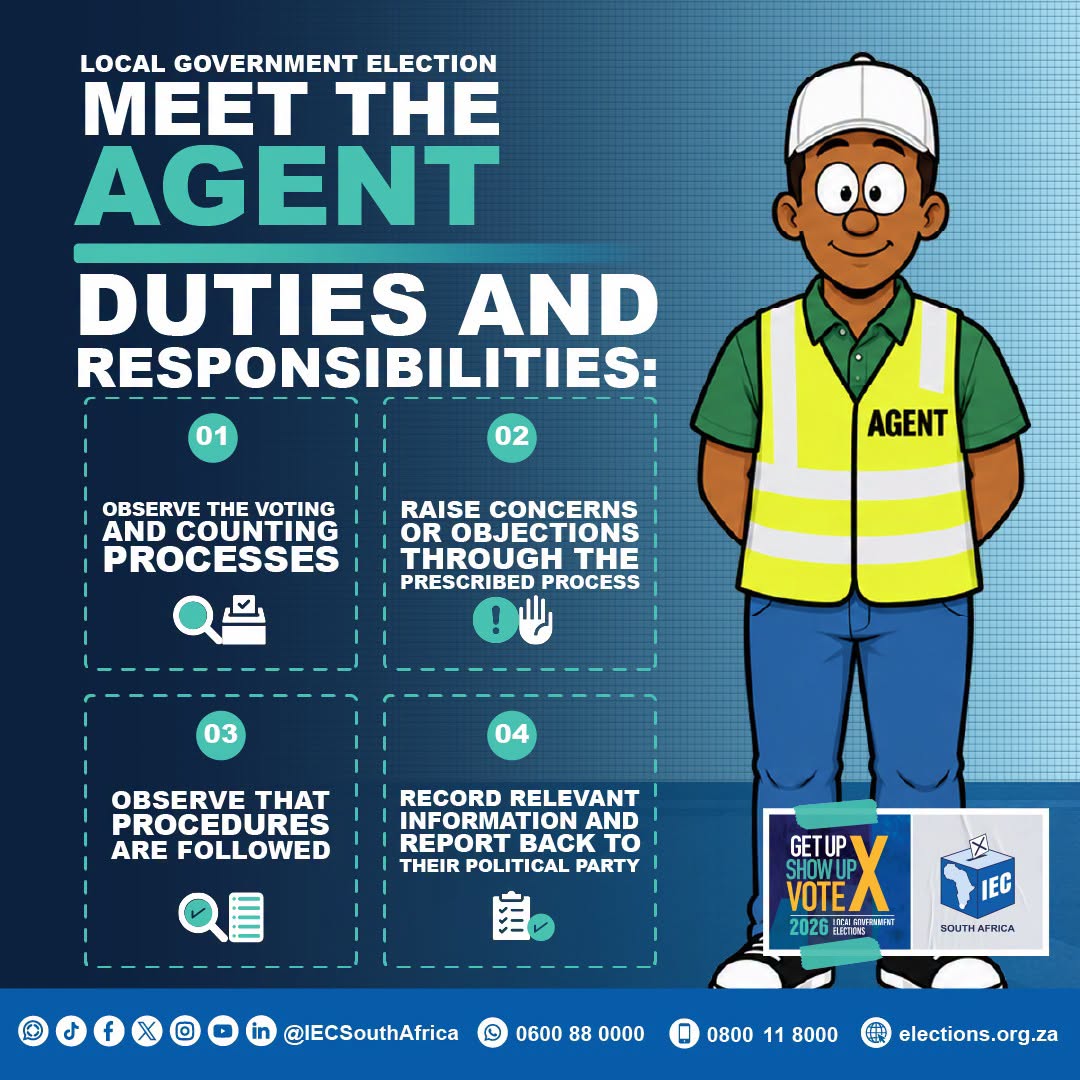
This Wednesday, make an informed choice. Make your mark. And keep holding your elected representatives accountable long after the votes have been counted.
Visit www.elections.org.za to check your registration and voting station before Election Day.
Important: The voters’ roll for the 2026 Local Government Elections closed on 7 August, so it is too late to register or change your registration for Wednesday’s election.
And remember, in local government elections, you must vote at the specific voting station where you’re registered. You cannot simply vote at another station because it’s more convenient.