









Beyond borders: Why these doctors refuse to look away
Beyond borders: Why these doctors refuse to look away
Beyond borders: Why these doctors refuse to look away
 Gary Oberholzer
Beyond borders: Why these doctors refuse to look away
Imagine being caught in a war zone, fleeing a natural disaster or living somewhere that basic medical care is almost impossible to access. Who comes to help when the rest of the world seems to have turned away?
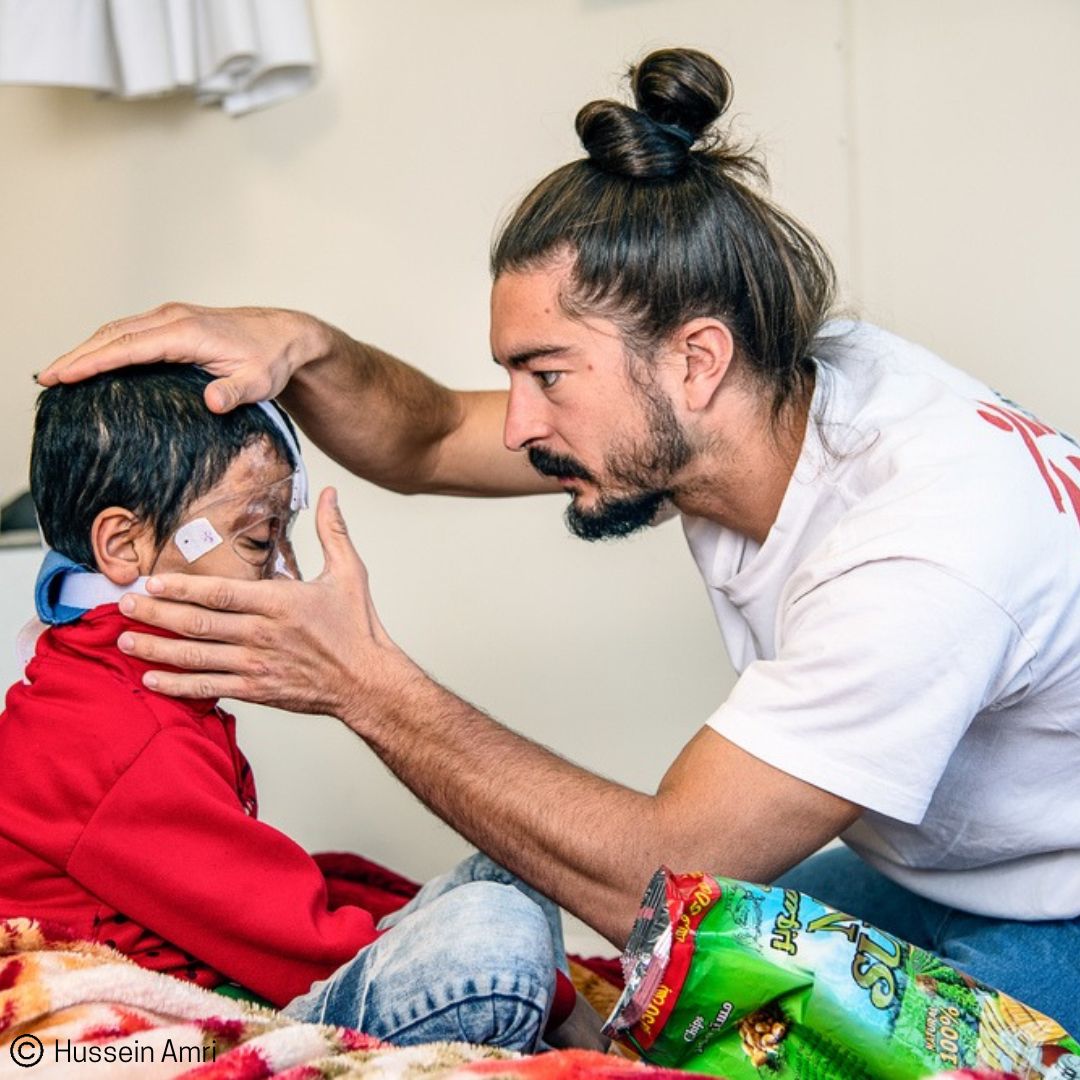
For more than five decades, Médecins Sans Frontières (MSF), better known as Doctors Without Borders, has been answering that call.
Founded in Paris in 1971 by a group of doctors and journalists, the organisation emerged from the devastation of war and famine in Biafra, Nigeria. Its founding principle was simple but powerful: medical care should be available to anyone who needs it, regardless of nationality, religion or political affiliation.
Fifty-five years later, that philosophy remains at the heart of its work.
Medical care without political strings
One of the things that sets Doctors Without Borders apart is its independence.
More than 97% of its funding comes from private individual donors, allowing the organisation to make decisions based on medical needs rather than political interests.
It generally avoids government funding and refuses financial support from industries that could compromise its principles. That independence matters enormously when medical teams are working in conflict zones, responding to disease outbreaks or reaching communities that have been forgotten.
For MSF, the question isn’t whose side someone is on. It’s whether they need medical care.
Sometimes saving lives means speaking out
Doctors Without Borders also believes that providing treatment is only part of its responsibility. Its founders deliberately included journalists because they understood the importance of telling the world what was happening to vulnerable people.
This commitment, known as témoignage, or bearing witness, remains central to the organisation.
From attacks on healthcare facilities in Sudan and Ukraine to the suffering of civilians in Palestine and Myanmar, MSF documents the realities its teams encounter and speaks out when medical care and human lives are threatened.
It’s a reminder that remaining neutral doesn’t necessarily mean remaining silent.
Working with communities, not just for them
Another important difference is MSF’s commitment to involving local communities in its work.
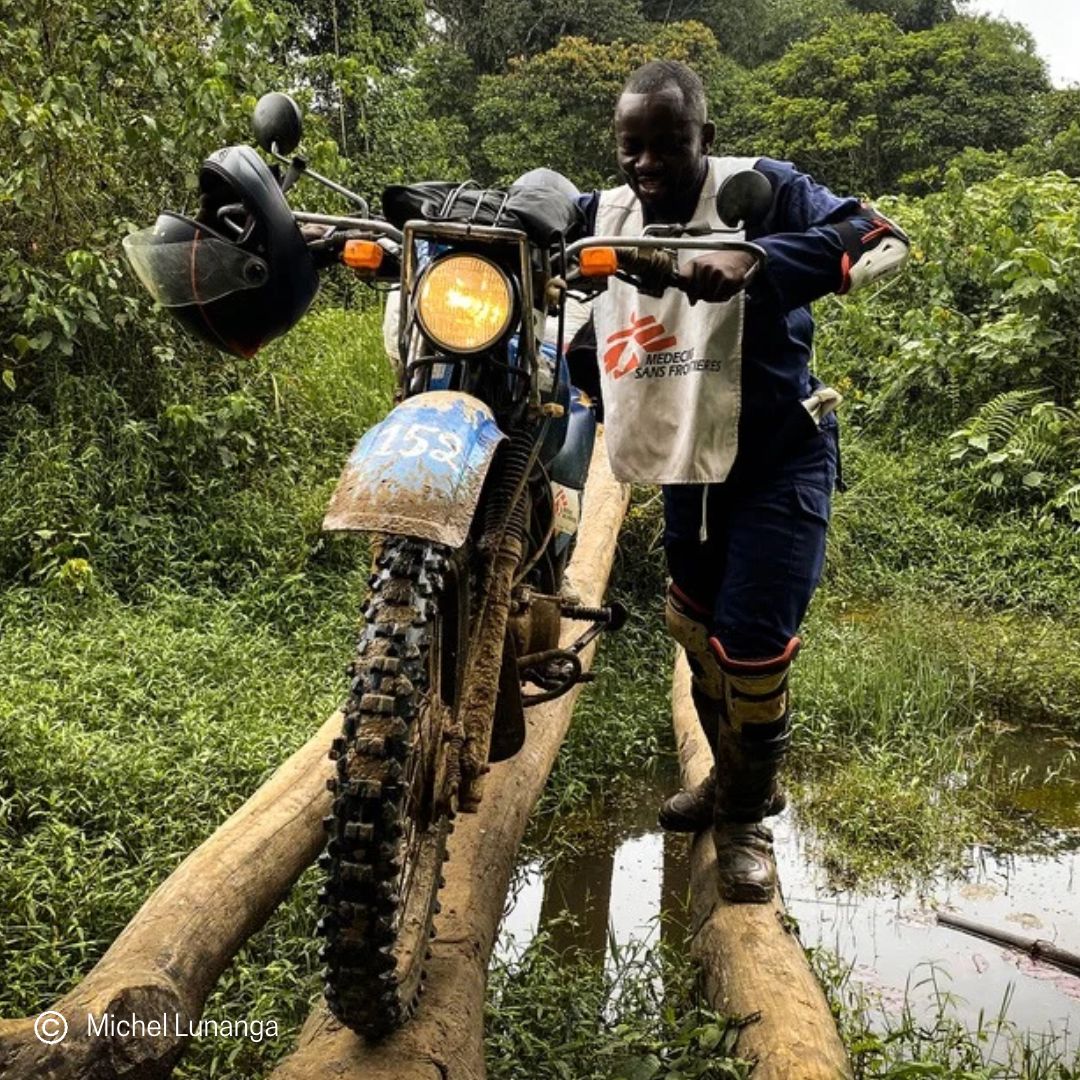
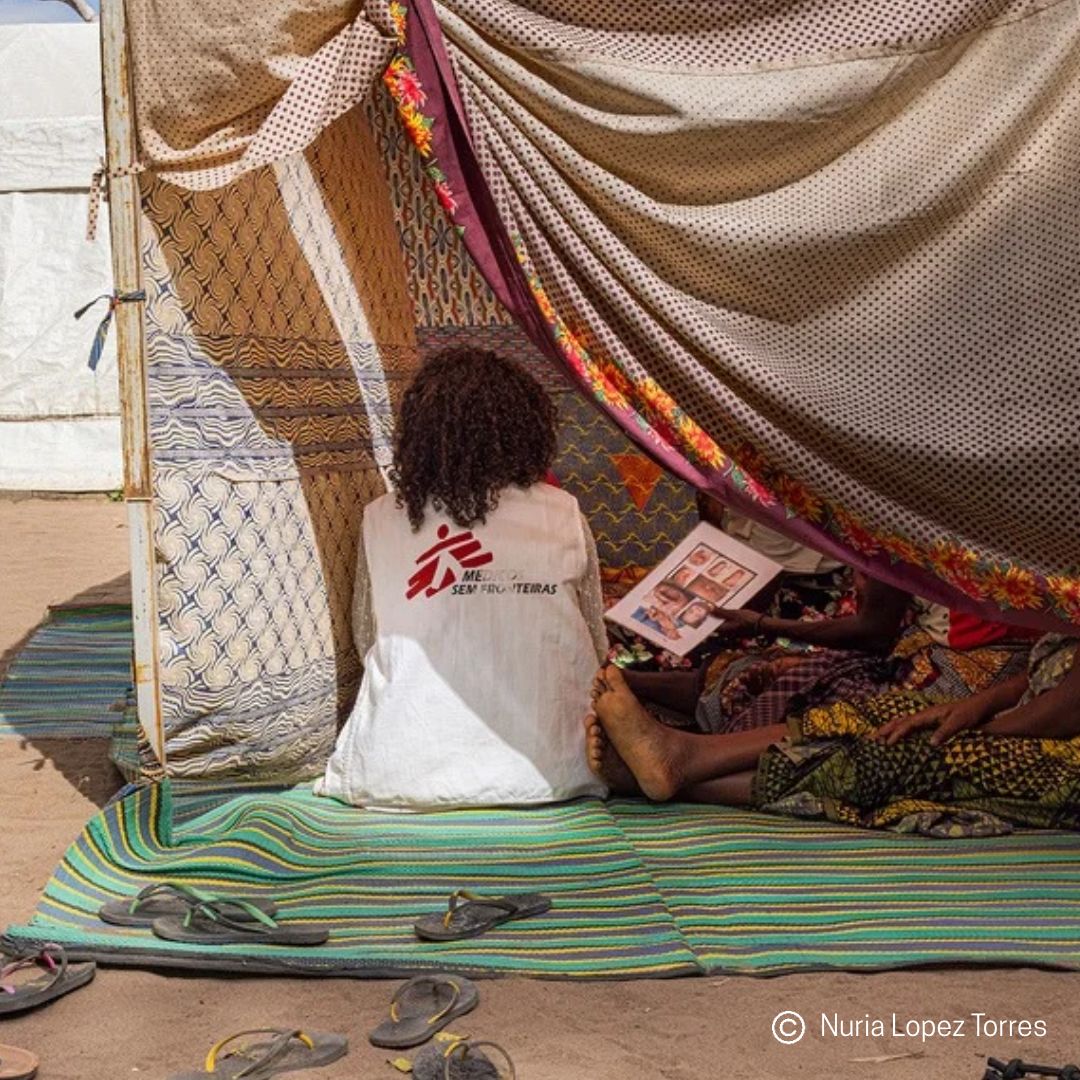
Rather than arriving with a one-size-fits-all solution, medical teams work alongside local healthcare professionals and residents to understand their needs. This helps ensure that healthcare is culturally appropriate, practical and, wherever possible, sustainable after emergency teams leave.
A mission that’s needed more than ever
The scale of the challenge is staggering. According to the United Nations, more than 252 million people worldwide needed urgent humanitarian assistance and protection by the end of May 2026.
With international aid budgets under pressure and humanitarian crises becoming increasingly complex, organisations like Doctors Without Borders face enormous demands. They cannot reach everyone. But their commitment remains unchanged: go where the need is greatest, provide medical care and refuse to ignore human suffering.
Because when someone’s life is on the line, compassion should have no borders.