









The year Bob Marley, Sting and a yellow arcade icon took over the world
The year Bob Marley, Sting and a yellow arcade icon took over the world
The year Bob Marley, Sting and a yellow arcade icon took over the world
 Ahmed Kajee
1980 was a year of neon-lit escapism, technological leaps, and bold new sounds that reshaped the musical landscape. While the world adjusted to fresh cultural shocks — from eerie cinema classics to the arrival of arcade icons — the charts were equally electric, with artists pushing boundaries and redefining what pop, reggae and rock could be.
It’s the featured year on this week’s HOT Classic Countdown with Steve Bishop, taking place every Sunday from 12 to 3pm on HOT 102.7FM.
In the same year that Bob Marley and the Wailers delivered the irresistible groove of “Could You Be Loved,”audiences were lining up for a very different kind of jolt: Stanley Kubrick’s psychological masterpiece The Shining. Marley’s track, written on an airplane during tour travels, fused reggae with disco in a way designed to cross over globally — a forward-thinking move that mirrored 1980’s appetite for experimentation. Meanwhile, The Shining gave the world its forever-echoing line “Here’s Johnny!” and proved that horror could be both artistic and wildly accessible. Both works, in their own mediums, asked us to step outside what we knew and embrace something daring.
And daring is exactly what The Police delivered with “Don’t Stand So Close to Me.” Inspired by Sting’s teaching days and the tension of forbidden fascination, the song became an instant talking point. Its synth-driven coldness echoed another futuristic moment of 1980: the release of Flash Gordon, complete with its dramatic, operatic soundtrack by Queen. Just as The Police blended rock with new electronic edges, Queen smashed genres together for one of cinema’s most flamboyant soundtracks. The result? A cult classic that still has fans shouting “Flash! Ahhhh!” four decades later.
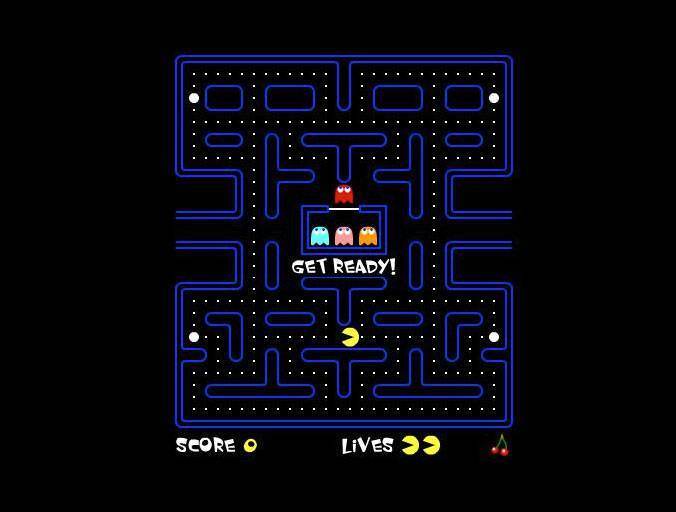
While movies leaned into spectacle, the world of entertainment was quietly undergoing a revolution of its own. In Japanese arcades, Pac-Man arrived — and nothing would ever be the same. With its simple design and addictive gameplay, the yellow icon became the first globally recognized video-game superstar. Back in the music world, similar innovation could be heard in songs like Blondie’s “Call Me,” where Giorgio Moroder fused rock and synth-pop into a sound that dominated 1980, and Air Supply’s “All Out of Love,” which rode the soft-rock wave straight into global adoration.
1980 was also a standout year for South African music. Juluka’s “Africa” blended Zulu maskandi with Western folk-rock in a way no one had attempted before. And in the same spirit of hope and unity, Joy’s “Paradise Road” became an anthem across the country — a song that, much like Pac-Man or The Shining, seemed to take on a life of its own.
Did You Know?
Pac-Man was originally named “Puck-Man” — but creators changed it for Western audiences out of fear the “P” would be vandalised into an “F.” That tiny decision helped shape one of the most recognizable brand names in entertainment history.
1980 was a year that asked: “Why play it safe?” Whether in reggae, rock, cinema, or gaming, creators took bold swings — and the soundtrack of that year still carries that fearless spark. And now, on HOT 102.7FM, you’ll hear the songs that defined it.
More Posts for Show: Classic Countdown with Steve Bishop