











When success hides the problem: living with a bad record deal
When success hides the problem: living with a bad record deal
When success hides the problem: living with a bad record deal
 Ahmed Kajee
The truth behind that laugh at the start of “Roxanne”
For many artists, the early years of a music career are a whirlwind of excitement — recording songs, touring, and suddenly hearing your music on the radio. Contracts are often signed quickly, sometimes without fully understanding the long-term consequences. And when success arrives, the fine print can feel easy to ignore.
One major artist from the 1980s recently reflected on exactly that experience: living with a contract that was far from ideal, but tolerable while the hits kept coming.
“At the time everything was going well,” the artist explained. “If you’re not particularly financially minded, you’re not constantly sitting there thinking about whether you should be earning more than you are.”
When records are selling and the crowds are cheering, it can be tempting to simply focus on the music. But beneath the success, the numbers may tell a very different story.
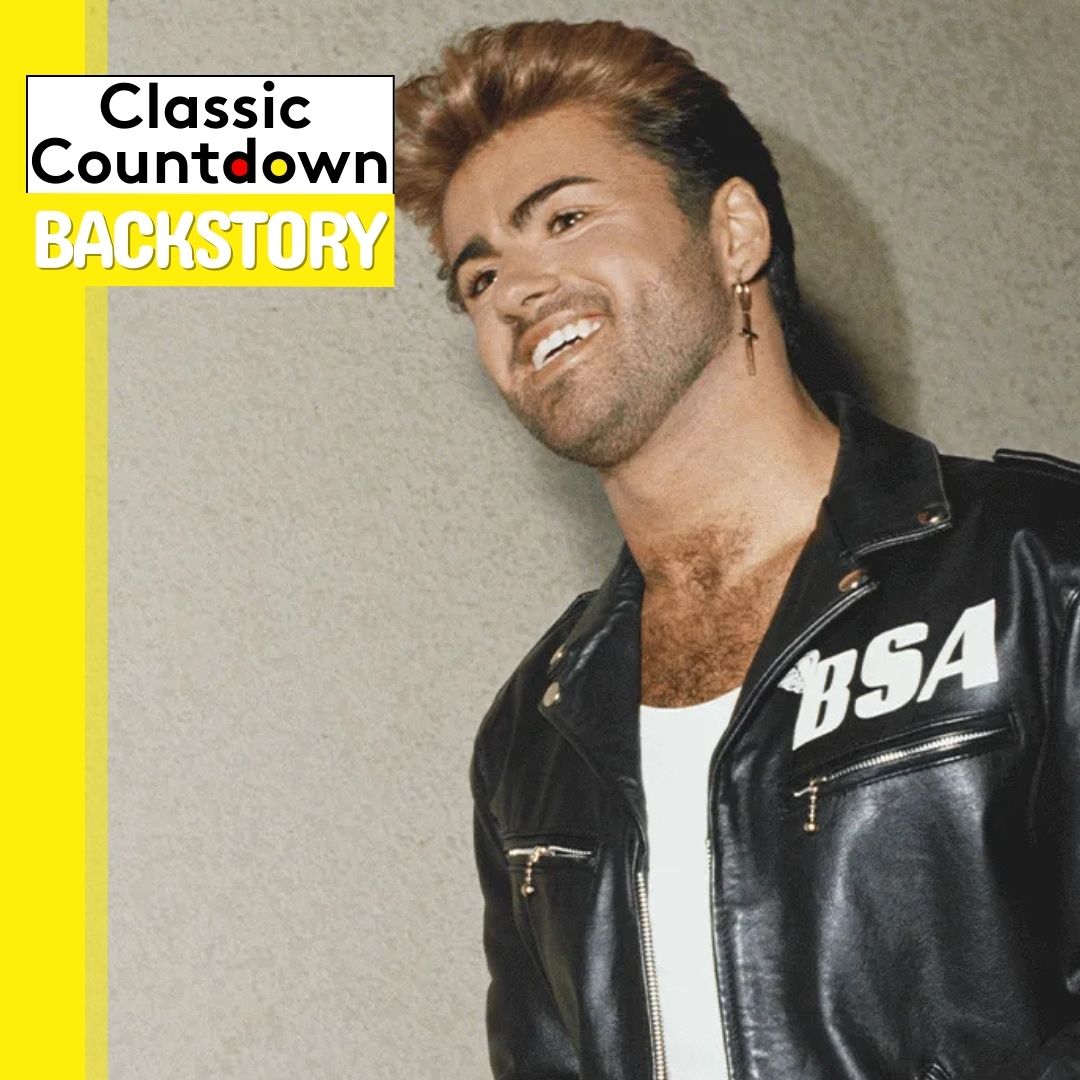
Listen to what George Michael had to say – as heard on Classic Countdown – below
Unfair payment terms
In this case, the artist was one of the biggest sellers for their label during the decade — a major contributor to Sony’s success in the 1980s. Yet despite that success, their payment terms were significantly lower than those of other artists.
“I was a very big seller for Sony in the eighties,” they said. “But I wasn’t being paid the amount per record that most artists get.”
The issue dated back to an early contract signed at the beginning of the career — the kind of agreement many young musicians accept before they fully understand their value.
For years, the artist tried to renegotiate better terms while continuing to release music. It was frustrating, but manageable.
Until something changed.
When the music changes — and the control disappears
The real turning point came when the label stopped actively promoting new material.
According to the artist, the record company no longer agreed with the direction the music was taking. And that disagreement suddenly revealed a deeper problem.
“Once they stop actively selling your new music because they don’t agree with the direction you’re taking, you suddenly realise you actually don’t have any control.”
That moment can be devastating for a musician whose entire career revolves around creative expression.
What once felt like a minor financial disadvantage became something much bigger: a contract that limited artistic freedom.
“And that’s when everything changed,” the artist reflected.
A lesson many musicians learn too late
Stories like this are not uncommon in the music industry. Young artists eager to release their first records often sign contracts that favour the record label heavily — especially when they lack experienced legal advice.
While those agreements may launch careers, they can also shape them in ways artists never expected.
The lesson is one many musicians now share openly with younger performers: success in music isn’t just about talent and hit songs. Understanding the business side — contracts, royalties and creative control — can be just as important as writing the next great track.
More Posts for Show: Classic Countdown with Steve Bishop