









A century later, Alberton’s forgotten memorial still has a story to tell
A century later, Alberton’s forgotten memorial still has a story to tell
A century later, Alberton’s forgotten memorial still has a story to tell
 Gary Oberholzer
A century later, Alberton's forgotten memorial still has a story to tell
Mapleton and Glenroy are places thousands of commuters pass every day without a second thought. But hidden in the veld between the railway tracks stands a weathered memorial stone that tells the story of one of the Witwatersrand’s most forgotten disasters.
The inscription is simple. Written in four South African languages, it remembers 22 black South Africans who lost their lives there in July 1927. It says little else.
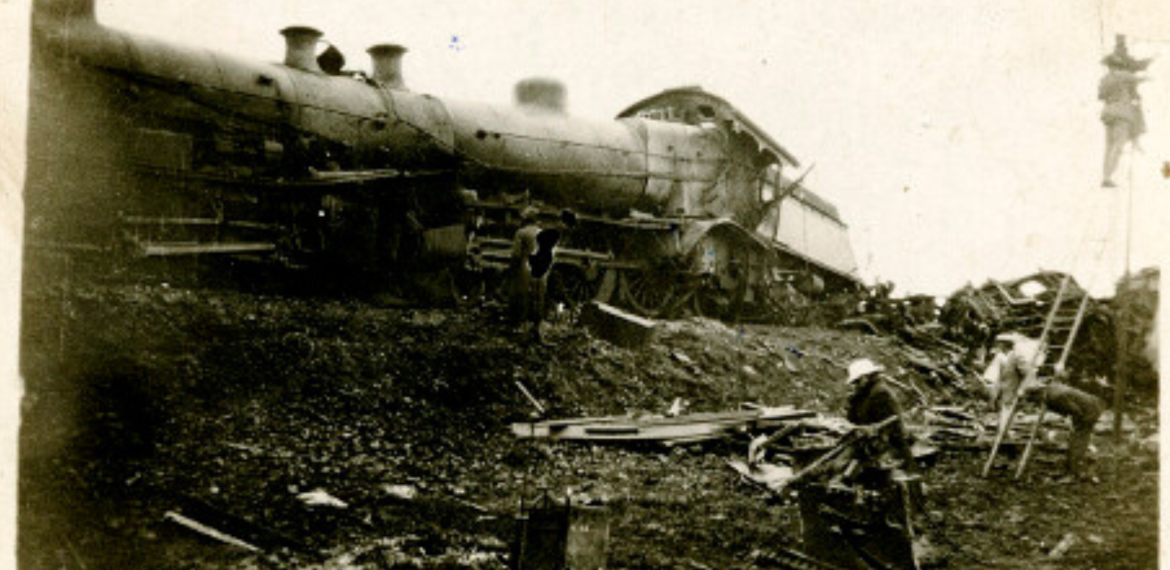
Nearly a century ago, Johannesburg’s gold mines relied heavily on migrant labour arriving from across the country. On 27 July 1927, many of those workers were travelling towards the city aboard a passenger train when, on the single-track line between Mapleton and Glenroy, it collided head-on with a goods train in freezing winter conditions. The impact was devastating.
What followed was even more tragic.
Many of the injured lay trapped in twisted carriages as rain and sleet swept across the Highveld. Rescue teams took hours to reach the isolated scene and some victims are believed to have died from exposure while waiting for help to arrive.
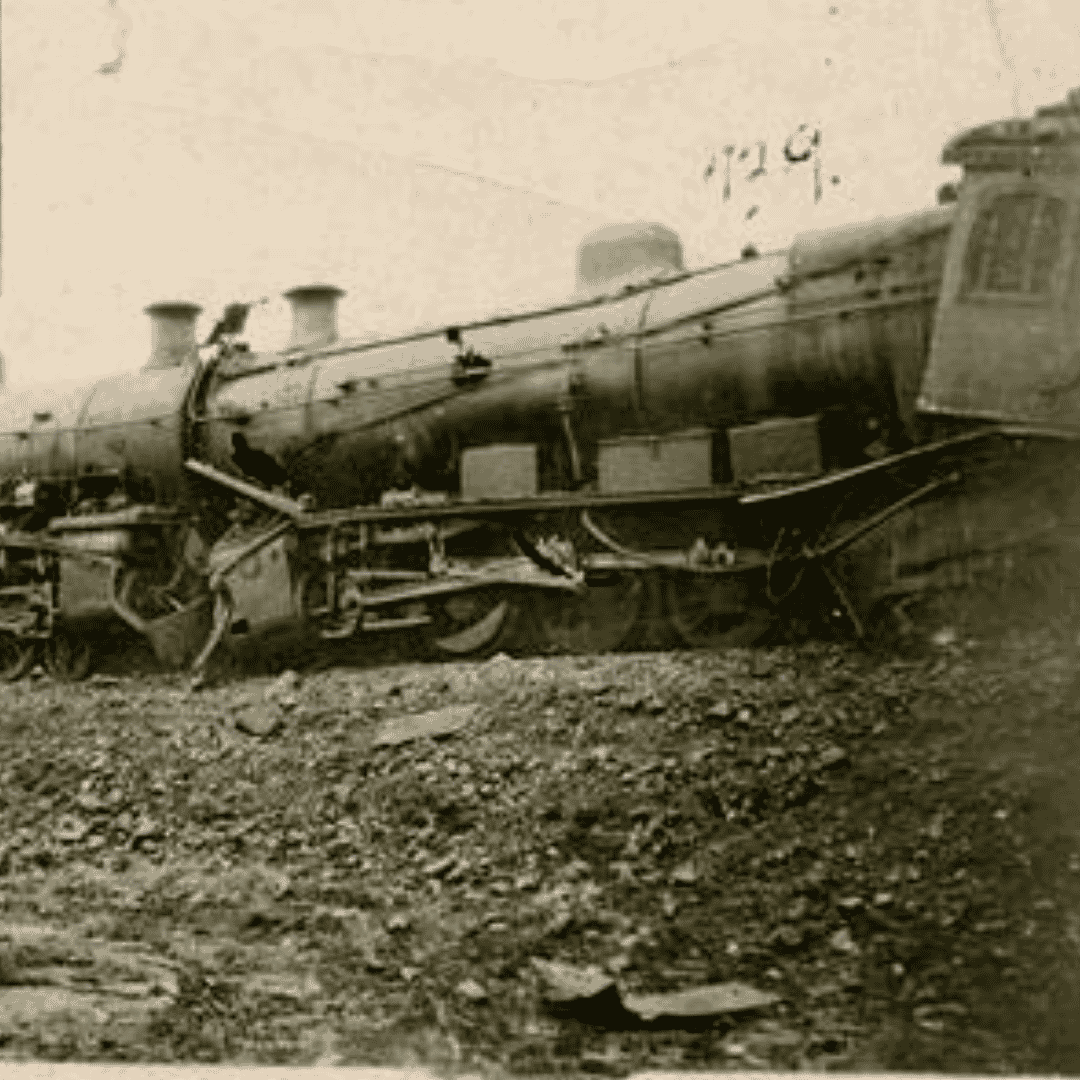
Photos courtesy: The DRISA Archive
Most of those killed were black mine workers whose names were never properly recorded in official history.
Listen to his report on HOT 1027 News below:
Yet amid the chaos emerged an extraordinary act of humanity.
Among the passengers were several prisoners being transported under guard. Presented with an opportunity to vanish into the darkness, they chose instead to remain behind, helping to care for the wounded and assisting rescuers as the bitter winter night wore on.
Today the memorial itself bears the scars of time and vandalism. Names have faded, details have disappeared and the tragedy has largely slipped from public memory.
But perhaps that lonely stone was never really about remembering how people died.
Perhaps it was always there to remind us how some people chose to live — and who they chose to be — when it mattered most.