









June 30: What we can expect as authorities prepare for a tense day
June 30: What we can expect as authorities prepare for a tense day
June 30: What we can expect as authorities prepare for a tense day
 Gary Oberholzer
June 30: What we can expect as authorities prepare for a tense day
For many South Africans, Monday brings more questions than answers.
Will businesses open? Will roads be affected? Is it safe to travel?
Those are understandable concerns as the country prepares for planned demonstrations linked to illegal immigration. While emotions around the issue remain high, government says extensive security plans are already in place to ensure peaceful protest does not turn into violence.
Police say officers have been deployed to identified hotspots, with additional law enforcement and defence resources on standby if needed. Authorities have stressed that peaceful protest is a constitutional right, but intimidation, looting, violence and damage to property will not be tolerated.
Officials have repeatedly said their goal is for June 30 to be “as normal a day as possible”, despite the planned demonstrations.
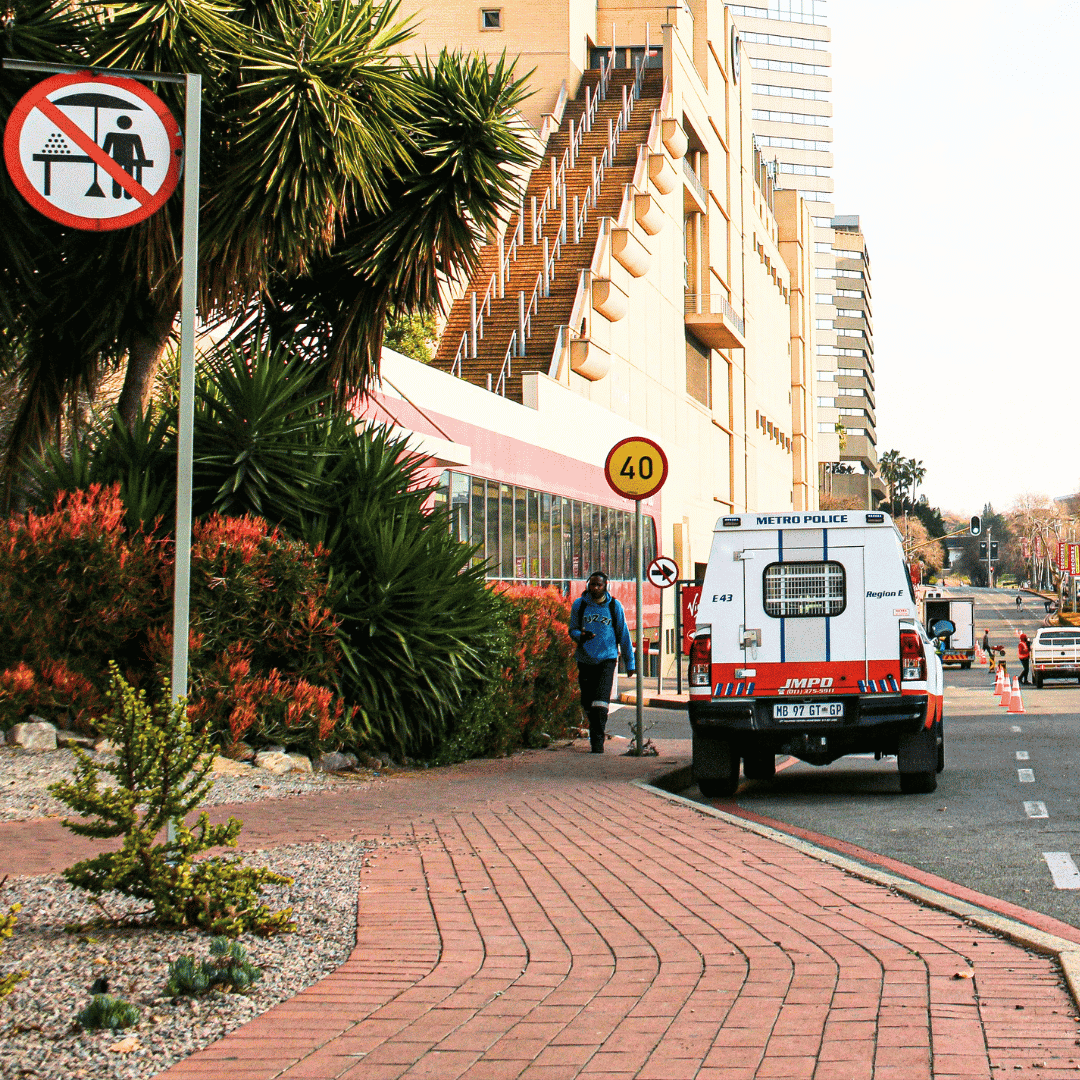
The heightened security follows painful lessons from the July 2021 unrest, which claimed more than 350 lives and caused billions of rands in damage. No one wants to see a repeat of those events, and much of the current planning is aimed at preventing exactly that.
At the same time, the situation highlights a difficult balancing act. Many South Africans have genuine concerns about illegal immigration, border security and the enforcement of existing laws. Those concerns are part of an ongoing national conversation. But recent weeks have also seen incidents of violence against foreign nationals, with some families seeking refuge or choosing to leave South Africa because they no longer feel safe.
For commuters, the best advice is simple: allow extra travel time, keep an eye on trusted traffic and news updates throughout the day, and avoid areas where demonstrations are taking place if possible.
While social media has been flooded with rumours and alarming posts, it’s worth remembering that not everything circulating online is accurate. For example, government has previously dismissed viral graphics claiming it had issued an official June 30 deadline for undocumented foreign nationals to leave the country, describing them as misinformation.
South Africans have weathered uncertain days before. The hope now is that legitimate concerns can be voiced lawfully, communities remain calm, and everyone gets home safely at the end of the day.
June 30 update: Police out in force as protests begin
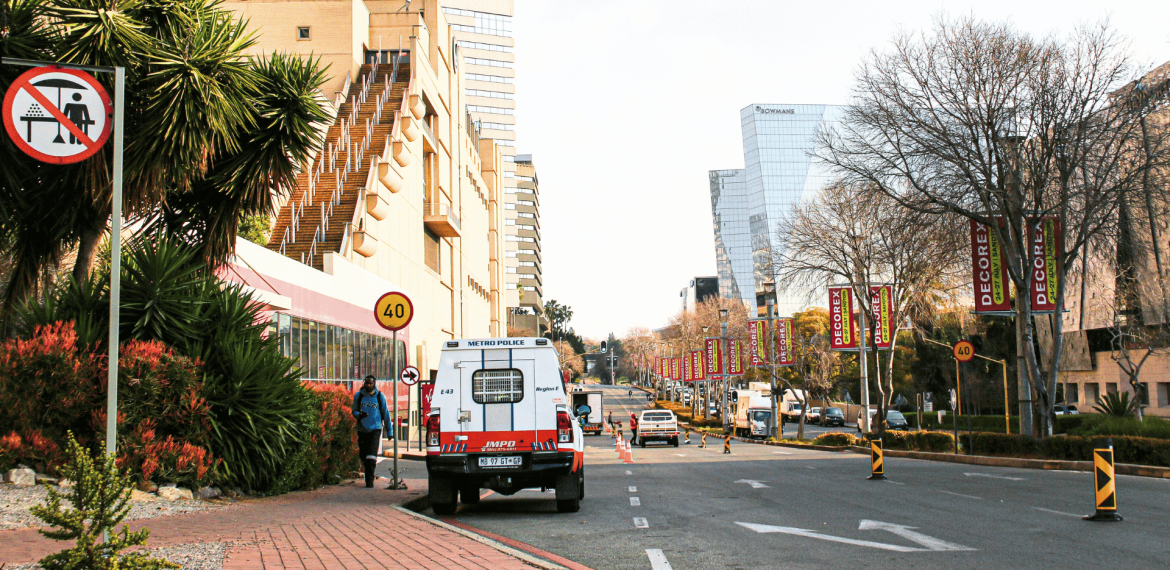
As South Africa wakes up to June 30, the country’s security operation is already in full swing. Police have deployed drones, helicopters and additional surveillance teams across identified hotspots as officers monitor planned demonstrations and move quickly to prevent any violence or intimidation.
In Gauteng, areas including the Randburg CBD are under close watch. While many foreign nationals told HOT 102.7 News they’re anxious about the day ahead, several also acknowledged concerns around illegal immigration and called for better enforcement of existing laws. Organisers of today’s demonstrations maintain their protests are aimed at pushing government to act, while police have reiterated that peaceful protest will be protected—but criminality will not.
Listen to HOT 1027 News’ Mathapelo Moloi reporting from the Randburg CBD…
Traffic Advisory
There is some good news for commuters. JMPD has confirmed that one of the three previously approved marches has been cancelled, reducing the number of planned demonstrations in Johannesburg to two.
Even so, traffic disruptions are still expected in parts of the CBD, Hillbrow and Midrand throughout the day, with motorists urged to plan ahead and use alternative routes where possible.
See the updated advisory issued by the Johannesburg Metropolitan Police Department here.
Security Industry Preparations
What does June 30 look like from the perspective of someone coordinating security operations?
MD of Beagle Watch Armed Response Andre Ayton joined HOT 1027 News to discuss their preparations, the uncertainties, and the importance of remaining vigilant without giving in to panic.
With demonstrations now underway, authorities continue to urge South Africans to remain calm, avoid spreading unverified information on social media, and steer clear of affected areas unless travel is necessary. HOT 102.7 News will continue to bring verified updates as the day unfolds.
References
- AFP Fact Check: South African government did not issue a June 30 ultimatum to undocumented foreigners
- eNCA: Planned 30 June protest has R600 million price tag
- Daily Maverick: SAPS launches R600m operation to counter anti-immigrant unrest ahead of 30 June deadline