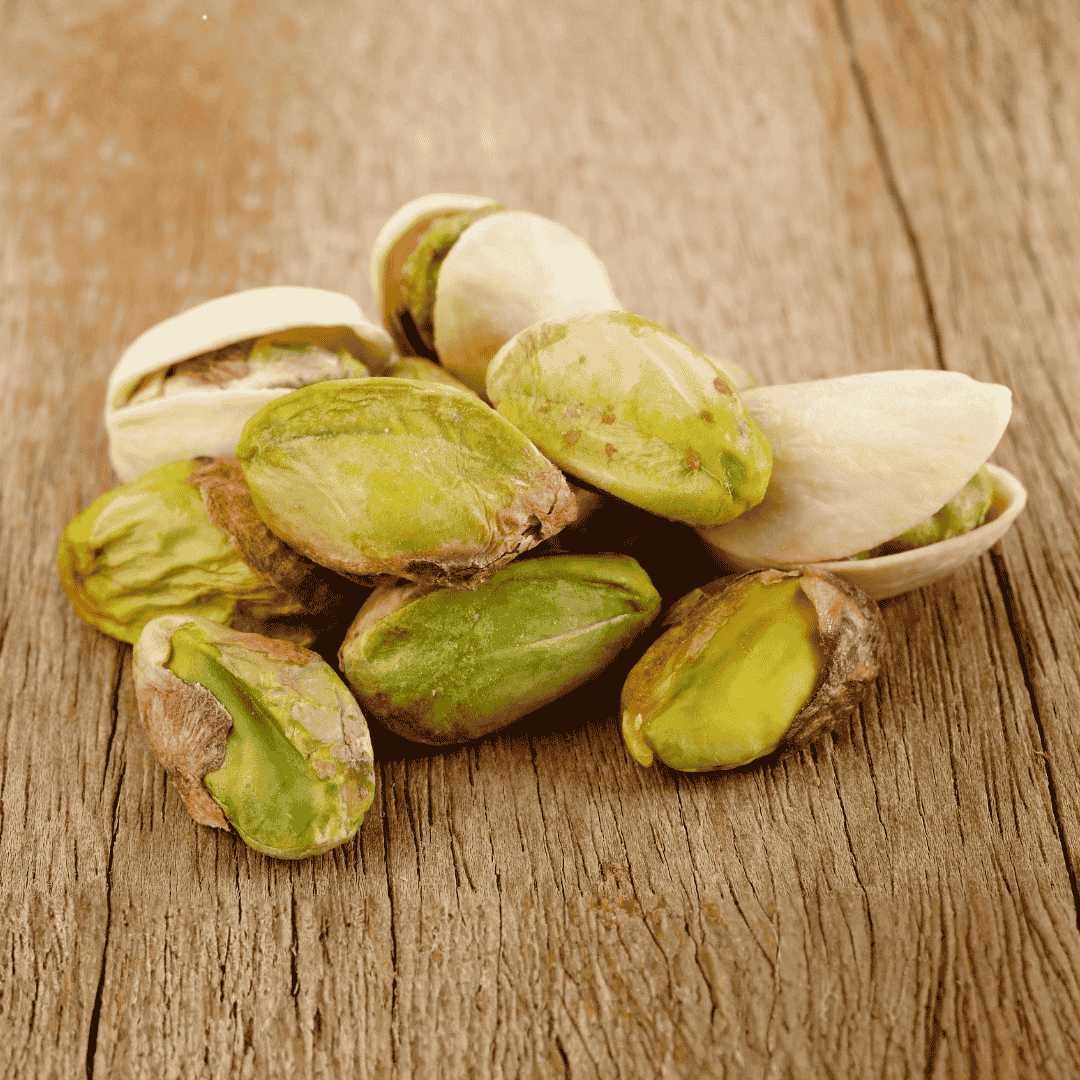
At present, most of the world’s pistachios are grown in just a few Northern Hemisphere countries. That concentration creates both supply pressure and opportunity. Climate challenges, water constraints and geopolitical risk in traditional producing regions are already affecting production.
For growers in the Southern Hemisphere, that opens the door to a valuable counter-seasonal market.
“The global pistachio market is essentially defined by constrained supply and growing demand,” Muller explained. “And we’ve proven that the Northern Cape can produce a high-quality, premium pistachio nut.”
While the local industry is still small, the groundwork has quietly been laid over decades. Only about ten hectares of orchards are currently producing commercially, with around 200 to 300 hectares recently planted. Yet researchers and growers have spent 20 to 30 years learning how pistachios behave in South African conditions.
If scaled successfully, the potential is significant. Industry projections suggest South Africa could produce as much as 16,000 tons annually — potentially capturing around 8% of the global market.
That could translate into a R2- to R3-billion export industry.
Beyond the numbers, pistachios could also deliver meaningful economic benefits for the Northern Cape. Compared with traditional row crops like maize or wheat, pistachio orchards generate far higher revenue and profitability — and dramatically more employment.
“The job creation potential is substantial,” Muller said, noting that pistachio farming could create thousands of new roles across farming, processing, packaging and export logistics.
South Africa has successfully built global export industries around crops that once seemed niche. The country is now the world’s largest producer of macadamia nuts, while citrus and table grapes have become major export successes, supplying supermarkets across Europe, Asia and the Middle East. In each case, growers identified a climate advantage and rising international demand — and scaled production over time. Supporters of pistachio farming believe the same model could apply in the Northern Cape, creating a new high-value export industry. In an economy often dominated by difficult headlines, that possibility represents a rare piece of good news for South African agriculture.
For investors and growers alike, pistachios may prove that sometimes the next big opportunity is hiding in plain sight — inside a shell.











 Gary Oberholzer