







The invisible line dividing Joburg and two oceans
The invisible line dividing Joburg and two oceans
 Gary Oberholzer
The invisible line dividing Joburg… and two oceans
Johannesburg’s north-versus-south rivalry is usually good for a laugh.
Different accents, different malls, different traffic complaints… and endless debate over which side of the city is “better”.
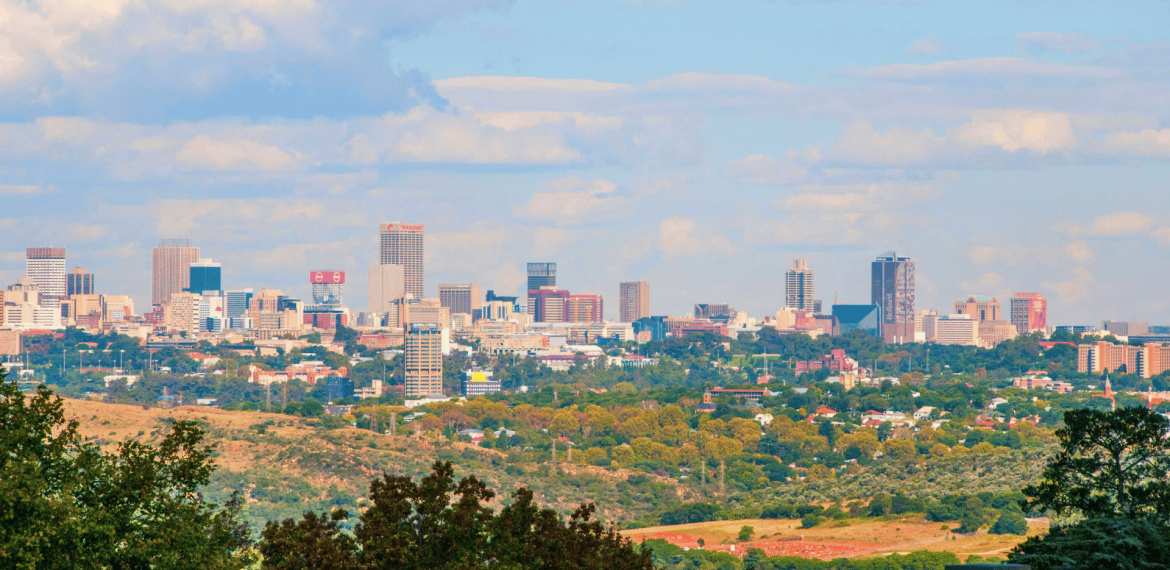
But hidden beneath the highways, suburbs and skyscrapers is something very real that separates the city in two — a continental divide.
The Witwatersrand ridge, which stretches from Bedfordview in the east to Krugersdorp in the west, is more than just the geological backbone of Johannesburg. It’s also a watershed that determines where rainwater eventually ends up: either the Indian Ocean or the Atlantic Ocean.
The ridge gets its name from the Afrikaans phrase meaning “ridge of white waters” — a reference to the streams and waterfalls that once flowed over the rocky quartzite landscape long before Johannesburg became South Africa’s economic powerhouse.
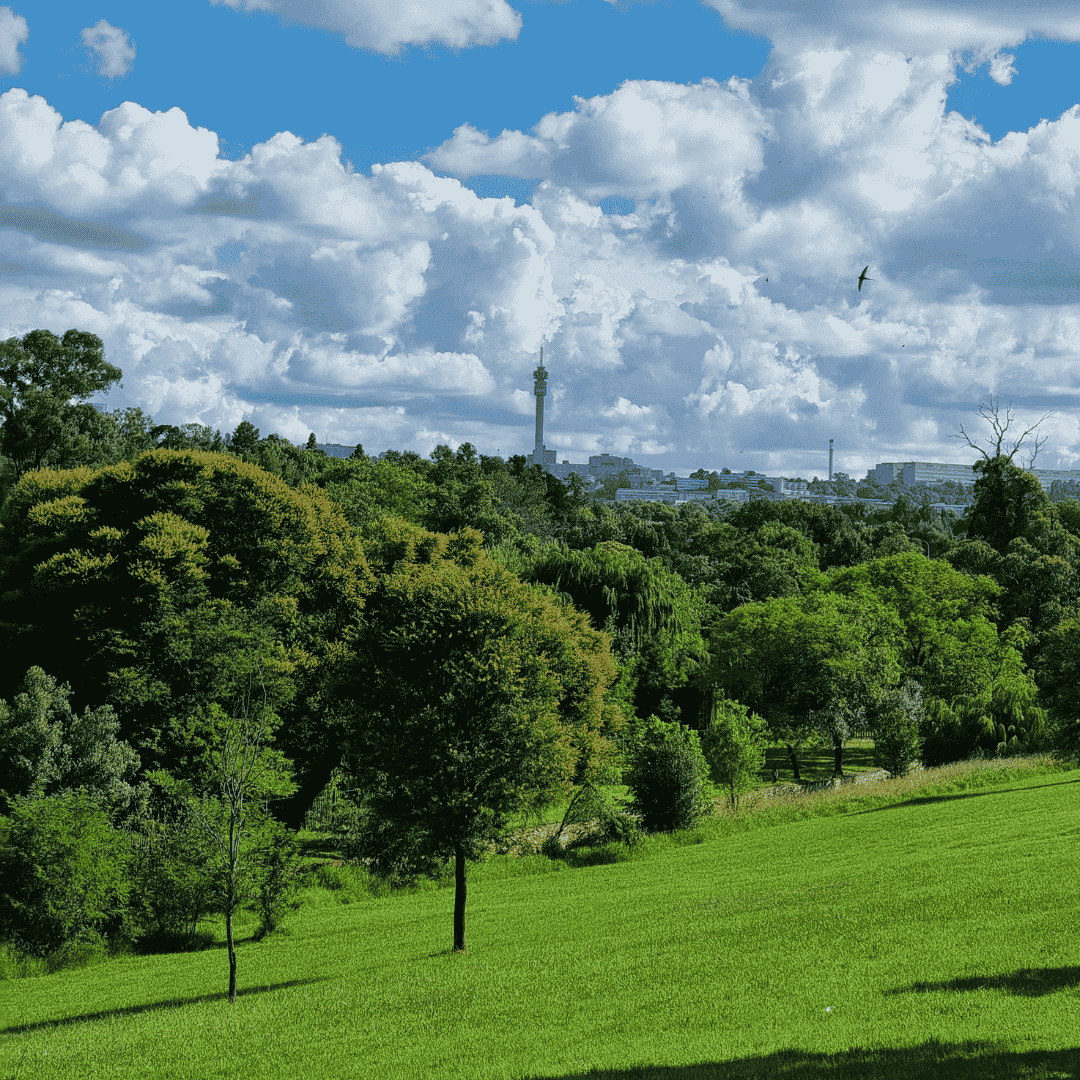
And the divide still shapes the city today in surprising ways.
At the University of the Witwatersrand, the famous Great Hall sits directly on the watershed line. According to researchers at Wits, rain falling on one side of the building eventually flows north through the Crocodile and Limpopo river systems toward the Indian Ocean… while water landing on the opposite side journeys south through the Vaal and Orange rivers before reaching the Atlantic.
That unusual geographical quirk has fascinated scientists, historians and urban planners for years — particularly because Johannesburg was built on top of a watershed rather than alongside a major river, leaving the city heavily dependent on transferred water supplies.
And as HOT 102.7FM’s Al Prodgers explains, most Joburgers drive across this invisible continental divide every single day… without ever realising it.
The story of the Witwatersrand also helped shape South Africa itself. The discovery of gold along the ridge in 1886 sparked one of the world’s biggest gold rushes — and eventually gave South Africa’s currency its name: the rand.