






Reverend Shona opens up about her breast cancer journey
Reverend Shona opens up about her breast cancer journey
 Christa Eybers
Reverend Shona opens up about her breast cancer journey
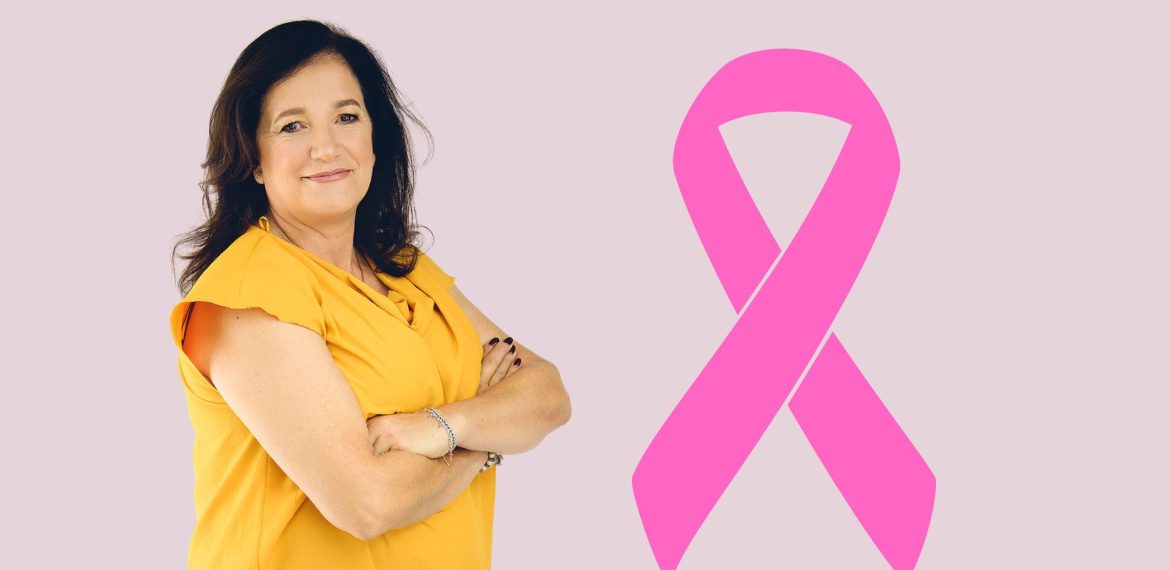
For years, Reverend Shona has been a familiar voice on HOT 102.7 Breakfast, joining Parky every Thursday morning to offer wisdom, encouragement and perspective on life’s challenges.
This week, however, the conversation was different. Instead of sharing someone else’s story, she shared her own.
In a deeply personal interview, Reverend Shona opened up about a journey she never expected to face. She didn’t do it to seek sympathy or attention. She did it because she hopes her experience might encourage someone else to make an appointment they have been putting off.
When Reverend Shona booked a routine mammogram, she admits it wasn’t something she was particularly eager to do. In fact, she had already cancelled the appointment. It was only after receiving a follow-up message from the practice that she decided to go after all—a decision she now believes changed the course of her life.
The screening detected Stage 1 breast cancer.
What makes her story particularly significant is that there had been been no warning signs. She wasn’t feeling unwell. There was no lump she could feel. There were no obvious symptoms that suggested anything was wrong.
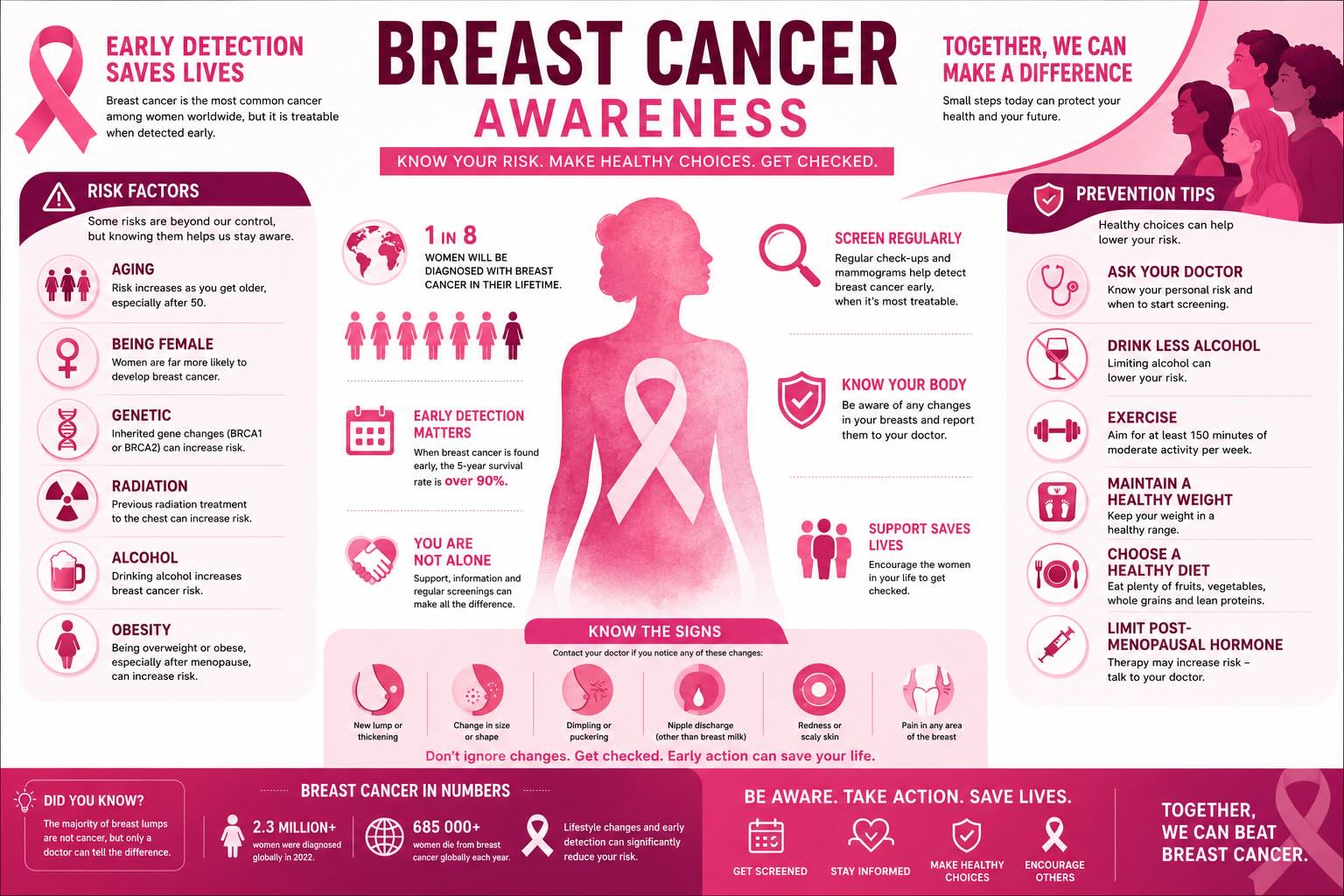
It’s a common misconception that breast cancer always begins with a noticeable lump. While that is often the first sign, it isn’t always the case. Mammograms can detect cancers long before they can be felt, which is why routine screening remains one of the most powerful tools for early detection.
According to the Cancer Association of South Africa, breast cancer is the most commonly diagnosed cancer among South African women. Around one in eight women will develop the disease during their lifetime, yet perhaps one of the biggest misconceptions is that it only affects people with a strong family history. In reality, the majority of women diagnosed have no known family history at all.
Like so many people facing a serious diagnosis, Reverend Shona says one of the hardest parts wasn’t necessarily the treatment itself—it was the waiting. Waiting for biopsy results. Waiting for specialist appointments. Waiting to understand what came next.
As someone who has spent years working alongside families receiving palliative care, she admits her own view of cancer had been shaped by seeing people during the most difficult chapters of their lives. Her oncologist gently challenged that perspective, reminding her that while she often encountered those who were nearing the end of their journey, doctors also see countless people who recover, heal and continue living full lives after treatment.
It’s a reminder of how dramatically breast cancer treatment has advanced over the past two decades. Earlier diagnosis, improved surgery, targeted therapies and personalised treatment plans mean survival rates continue to improve, particularly when the disease is detected early.
That change in perspective became an important turning point.
She also discovered the value of talking to others who had already walked the same road. Women who had undergone surgery years earlier, completed treatment and were living healthy, fulfilling lives became a source of reassurance that hope is not only possible—it is common.
Throughout her conversation with Parky, Reverend Shona returns to themes that HOT listeners have come to know well over the years: patience, faith, kindness and community. She encourages anyone facing a difficult diagnosis to trust their medical team, allow themselves time to process what is happening and remember that they don’t have to face it alone.
For those supporting a loved one, her advice is equally simple: be patient, be understanding and recognise that everyone processes difficult news differently.
Her decision to share such a personal chapter of her life comes with one overriding hope—that more women will prioritise their own health.
Experts encourage women to become familiar with what is normal for their own bodies and to speak to a healthcare professional if they notice any changes, whether that’s a lump, skin dimpling, nipple changes, unusual discharge, swelling or persistent pain. More importantly, don’t wait for symptoms before discussing screening with your doctor. As Reverend Shona’s story shows, breast cancer can sometimes be present long before you know it’s there.
As Reverend Shona says during the interview, “Get tested. Don’t put it off.”
If her story encourages even one woman to book that appointment she’s been delaying, then sharing such a personal part of her life will have been worthwhile.

 Gary Oberholzer